

Whether you manage municipal water supply projects, the distribution of swimming pool chemicals, or industrial sanitation systems, selecting the right supplier involves more than just price; it is a matter of stability, compliance, and supply chain reliability. As calcium hypochlorite is a strong oxidizing agent, factors such as variations in production methods, the degradation of active chlorine, and stringent international transport regulations can significantly affect your total cost of ownership and supply chain stability.
This guide provides a detailed analysis of the key technical, commercial, and logistical variables that buyers must evaluate when selecting a supplier of bulk calcium hypochlorite.
Understanding Calcium Hypochlorite in the Global Water Treatment Market
Calcium hypochlorite is one of the most widely used solid chlorine-based disinfectants in the world. It plays a vital role in water treatment due to its high available chlorine content, strong oxidizing capabilities, and relatively stable storage characteristics compared to liquid chlorine.
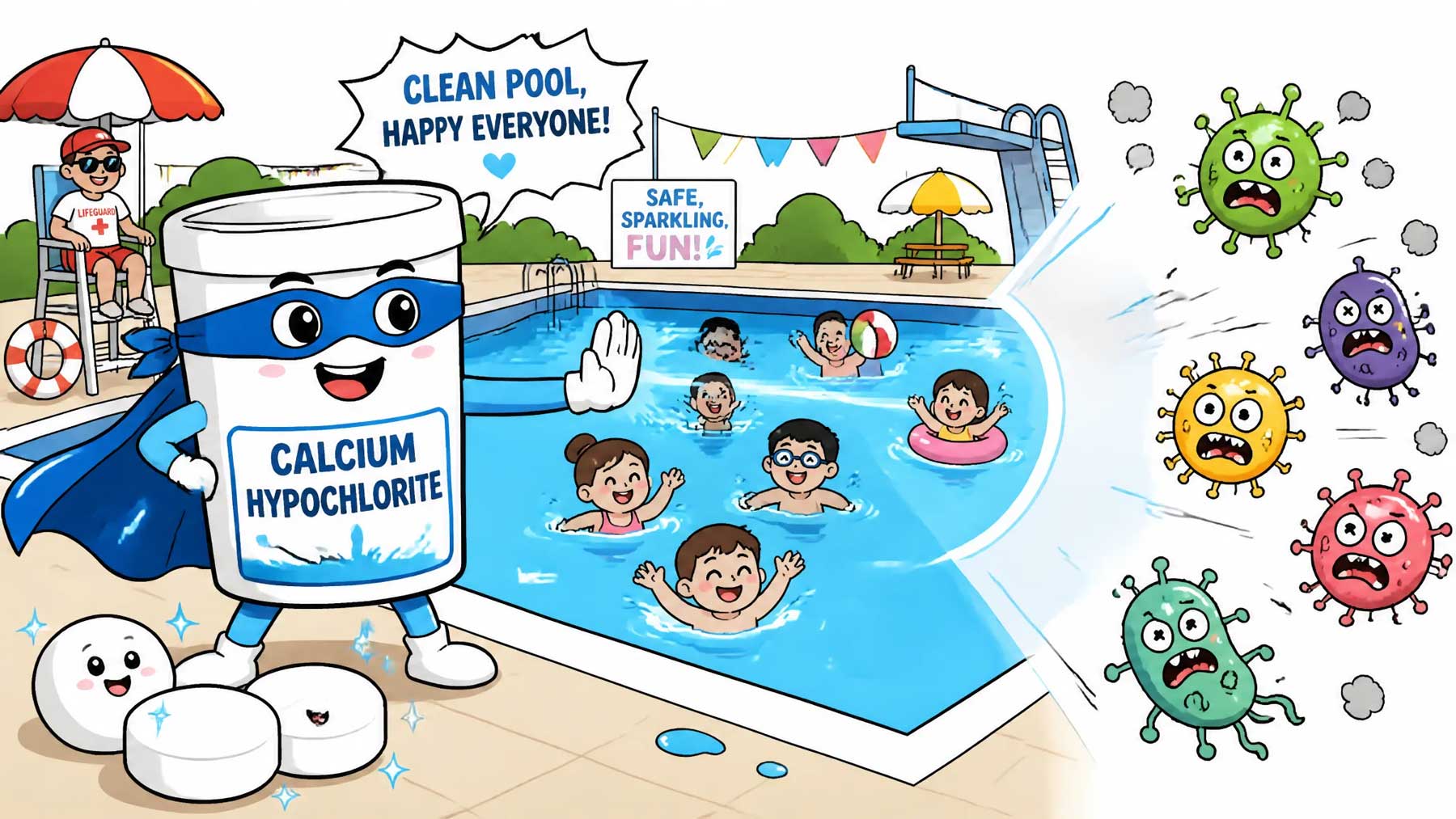
Figure 1: High-efficiency calcium hypochlorite applications in large-scale modern municipal water safety and disinfection operations.
In the global B2B market, wholesale demand for calcium hypochlorite continues to rise, driven by increasingly stringent water safety standards, rapid urbanization, and stricter public health regulations.
From a procurement perspective, bulk buyers typically prioritize three key factors: consistent chlorine content, reliable long-term supply, and predictable logistics performance. Consequently, selecting a professional calcium hypochlorite supplier is a strategic decision rather than a simple transactional one.
Calcium Hypochlorite 65% vs. 70%: How Buyers Should Choose
The most immediate difference between 65% and 70% Calcium Hypochlorite lies in their available chlorine content. To achieve the same results, a larger quantity of the 65% grade is required compared to the 70% grade. Selecting between these two concentrations is a key technical decision in the procurement process. While both products are widely used globally, they cater to slightly different application needs.
Calcium Hypochlorite
Calcium Hypochlorite
For distributors and importers, understanding these differences is crucial when negotiating with suppliers, as it directly influences how the products are positioned in the local market.
What qualities should a reliable calcium hypochlorite supplier possess?
In the global chemicals trade, not all suppliers are created equal. A truly professional calcium hypochlorite supplier must offer more than just product availability; they require robust quality assurance systems and supply chain resilience.
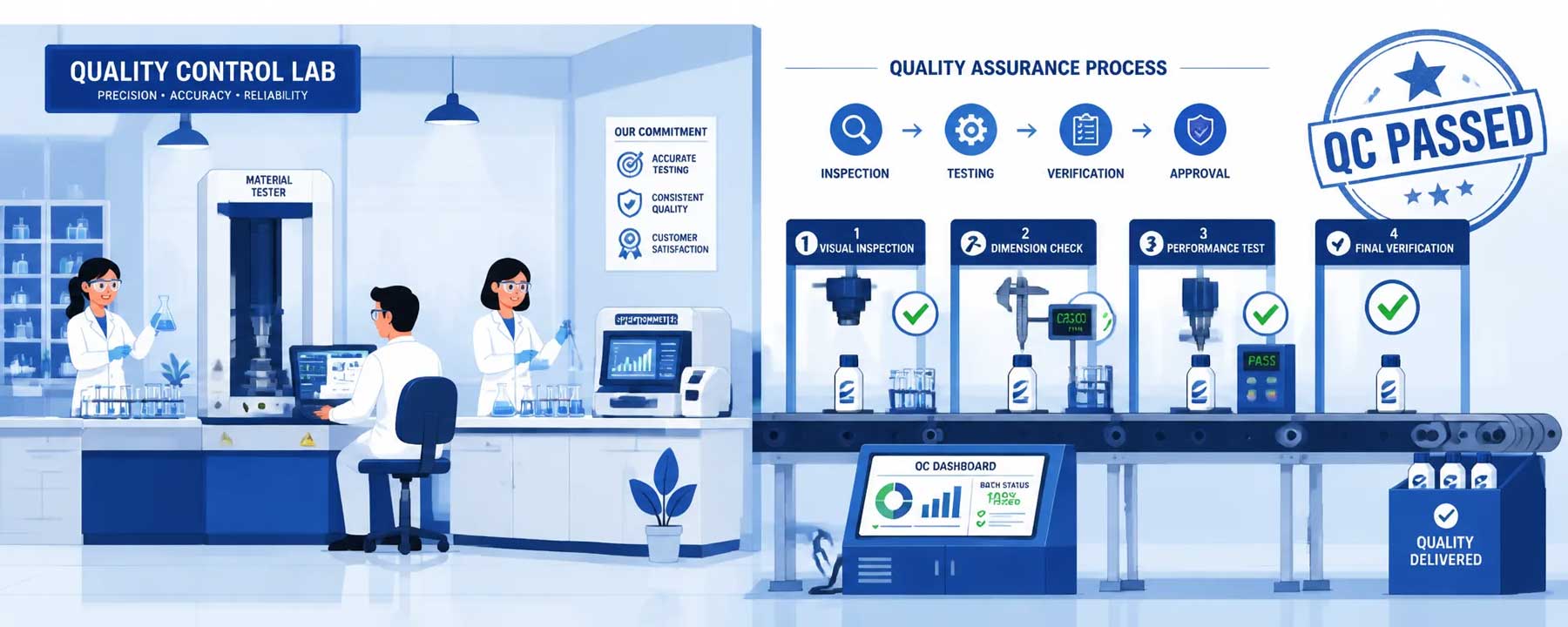
1. Quality Control Systems
International certifications such as ISO 9001, REACH, or equivalent standards demonstrate that a supplier adheres to rigorous quality management protocols. NSF,
Key indicators include:
2. Supply Stability
For bulk purchasers, inventory management is critical. Top-tier suppliers ensure:
3. Experience Exporting Hazardous Chemicals
This is crucial. An experienced, professional supplier provides expert advice on packaging and shipping tailored to the buyer's local purchasing practices and regional requirements.
4. Risk Factors to Avoid
Buyers should be wary of:
Guidelines for selecting professional calcium hypochlorite suppliers consistently emphasize long-term reliability over short-term price advantages.
Bulk Procurement Strategies: Optimizing Wholesale Orders for Calcium Hypochlorite
When purchasing calcium hypochlorite in bulk, buyers should focus on optimizing the total landed cost rather than just the unit price.
Minimum Order Quantities (MOQs) and Order Structure
Large-scale buyers can often benefit from tiered pricing based on container volume (20GP/40HQ). Consolidating demand into larger shipments helps reduce unit logistics costs.
FOB vs. CIF Decisions
Contract Pricing vs. Spot Purchasing
Long-term contracts provide price stability in a volatile market. Spot purchasing offers flexibility but carries higher price risk.
Distributor Strategies
Distributors typically need to balance the following factors:
Optimizing procurement strategies can improve cash flow while ensuring supply continuity.
Common Shipping Challenges for Calcium Hypochlorite
International shipping compliance is a critical aspect of chemical procurement. Under global regulations, calcium hypochlorite is classified as a hazardous oxidizing solid.
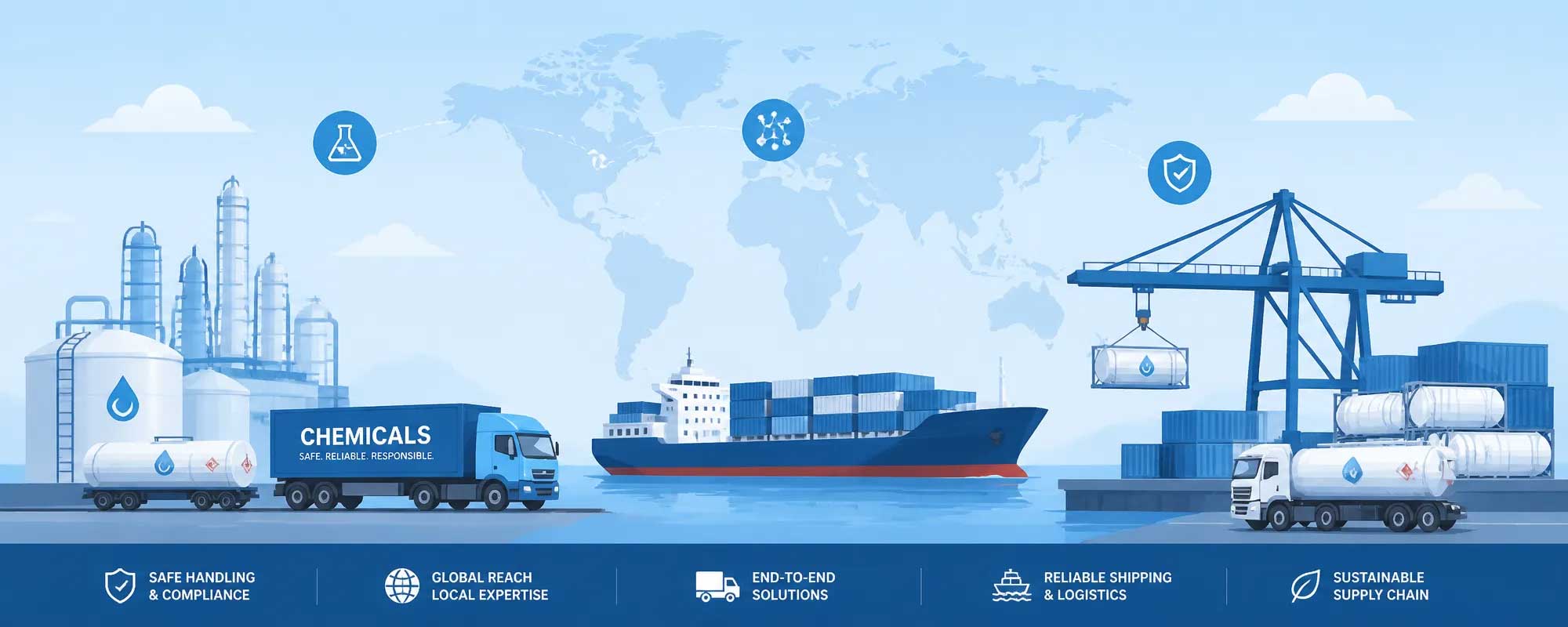
Figure 3: Global compliance shipping and safety packaging protocols for Class 5.1 hazardous chemicals.
Port restrictions for oxidizing agents
Hazard Classification
- UN Number: UN 1748 / UN 2880 (depending on formulation)
- Hazard Class: 5.1 (Oxidizing substances)
Seasonal temperature sensitivity (risk of thermal decomposition)
Strict inspections in destination countries
Documentation delays during customs clearance
Partnering with an experienced calcium hypochlorite supplier can significantly reduce shipping risks, particularly for long-haul shipments or those involving multiple transshipments.
How to Evaluate Suppliers in China and Other Key Markets
China remains one of the world's largest production hubs for calcium hypochlorite, alongside India and several producers in the Middle East. However, supplier evaluation should not be limited to geography alone.
Key Evaluation Criteria
Red Flags in Supplier Selection
Professional buyers typically require sample testing before confirming bulk orders. This ensures consistent product quality and compliance with local regulations.
Why Partnering with a Professional Calcium Hypochlorite Supplier Is Crucial
In today’s highly competitive chemical market, selecting the right partner is not merely a matter of procurement—it is a strategic supply chain decision.
Professional suppliers offer:
For distributors and industrial buyers, this translates to fewer operational disruptions, higher customer satisfaction, and enhanced market competitiveness.
In short, sourcing calcium hypochlorite is far more than a simple price negotiation; it is a strategic decision involving product quality consistency, supply chain continuity, and international compliance capabilities. From choosing between 65% and 70% concentration products to optimizing bulk purchasing strategies and managing the risks associated with hazardous materials transport and customs clearance, every step directly impacts your operational efficiency and long-term cost structure.
Finding a reliable calcium hypochlorite supplier is key to minimizing procurement risks, ensuring a stable supply, and boosting market competitiveness. A supplier with stable production capacity, robust quality management systems, and extensive export experience can not only provide high-quality products but also offer consistent, reliable support amidst the complexities of the international trade environment.
CTA
If you are looking for a reliable Calcium Hypochlorite Supplier to support your long-term business growth, now is the time to take the next step.
Whether you need stable bulk supply of calcium hypochlorite 65% or 70%, customized packaging, or professional guidance on shipping regulations and market requirements, working with the right partner makes all the difference.
Contact us today to discuss your sourcing needs, request samples, or get a competitive quotation tailored to your market. Our team is ready to support you with consistent quality, flexible supply solutions, and expert technical assistance—helping you reduce risk and stay ahead in your market.
Post time: Jun-12-2026


