

Poly Aluminium Chloride (PAC) is one of the inorganic coagulants considered for treating certain mining wastewater streams. Its potential applications include mine water clarification, mineral processing wastewater treatment, and tailings water management. However, its suitability depends on the characteristics of the wastewater and the treatment objectives.
This article explores why PAC is used in the mining industry, where it can be applied, how it supports solid-liquid separation, and what factors should be considered when selecting a PAC product.
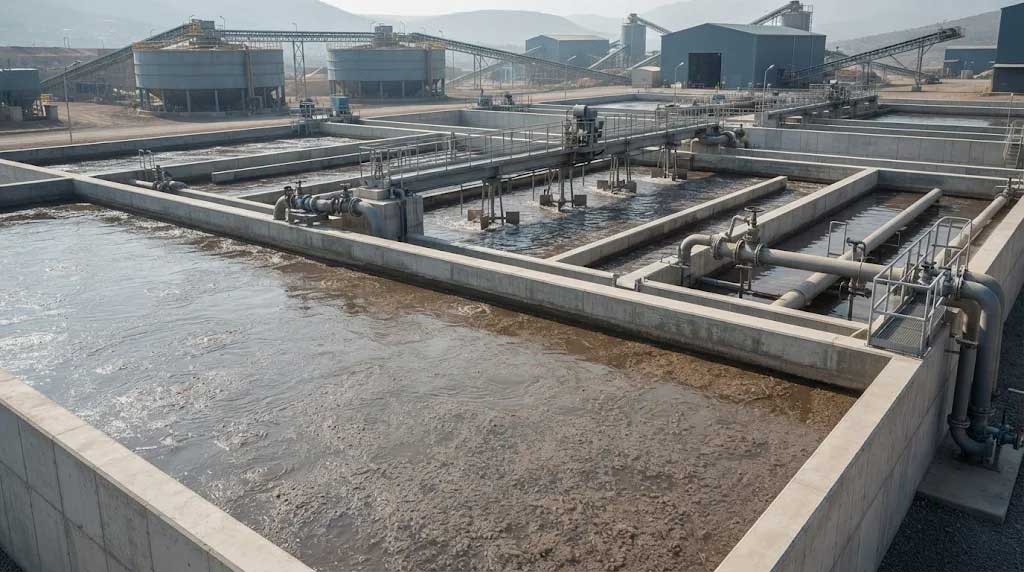
Why Is PAC Used in the Mining Industry?
In many mining operations, water clarification is necessary to separate suspended mineral particles from process water or mine water. Some of these particles are very fine and may remain dispersed in water, making natural settling less effective. This can create challenges for downstream sedimentation, filtration, and water reuse.
PAC is considered for these applications because it can act as a coagulant to improve the separation of suspended solids. By promoting particle aggregation under suitable conditions, it can support clarification processes and help prepare water for subsequent solid-liquid separation.
Research on coal mine water has investigated PAC as a coagulant for removing fine suspended particles. However, treatment performance varies with water composition, particle characteristics, and the use of other treatment chemicals. PAC should therefore be selected according to the specific wastewater stream rather than treated as a universal solution for all mining wastewater.
Key Applications of PAC in Mining Wastewater Treatment
The need for water clarification varies across mining operations. PAC is mainly considered for wastewater streams where suspended mineral particles interfere with solid-liquid separation. Its potential applications can be grouped into three areas: coal mine wastewater treatment, mineral processing wastewater treatment, and tailings water clarification.
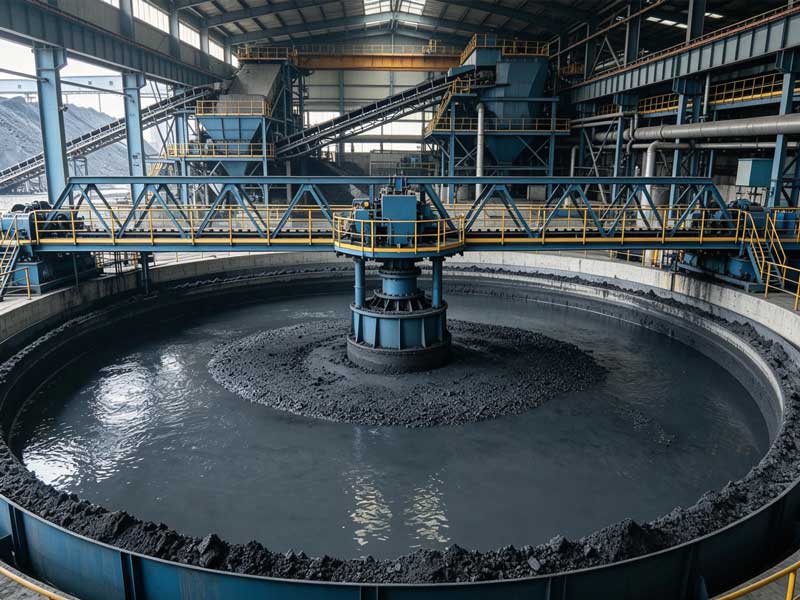
Coal Mine Wastewater Treatment
Coal mining and coal preparation can generate wastewater containing fine coal particles, clay, and other suspended materials. Some of these particles are difficult to settle naturally, which can affect the clarification of mine water and coal washing wastewater.
PAC can be evaluated as a coagulant to promote the aggregation of fine suspended particles before sedimentation or filtration. A 2024 study on open-pit coal mine water investigated PAC coagulation combined with non-ionic polyacrylamide (NPAM). Under the study’s optimized conditions, the combined treatment achieved a suspended solids removal efficiency of 99.1%. However, this result was obtained using both PAC and NPAM, so it should not be interpreted as the performance of PAC alone.
For coal mine wastewater with a high proportion of fine particles, jar testing can help determine whether PAC alone is sufficient or whether a coagulant aid is also needed.
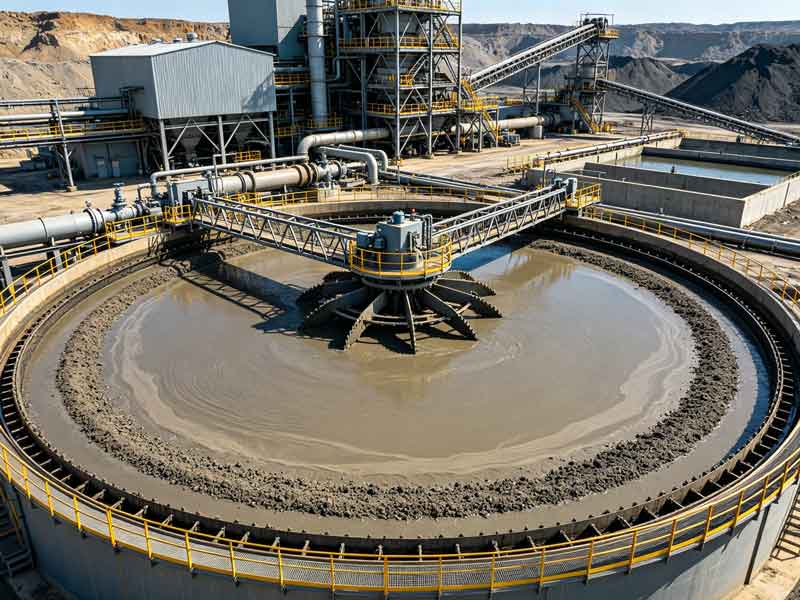
Mineral Processing Wastewater Treatment
Mineral processing operations, including ore crushing, grinding, washing, and separation, may produce wastewater containing fine mineral particles. When these solids remain suspended, they can increase water turbidity and complicate the recovery and reuse of process water.
In this application, PAC may be considered as a candidate coagulant for treating suspended solids. Its suitability depends on factors such as mineral composition, particle size, water chemistry, and residual processing chemicals. These factors can influence particle behavior and coagulation performance.
Coagulation and flocculation are recognized treatment steps in mineral-processing wastewater recycling. However, the performance of a specific PAC product should be verified using actual process water. PAC should not be assumed to remove all residual flotation reagents, dissolved metals, or other dissolved contaminants.
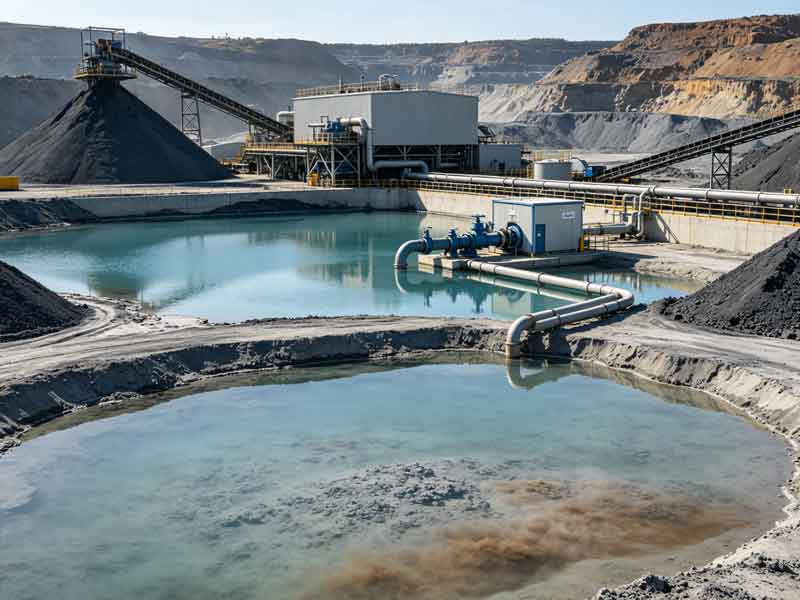
Mine Tailings Water Clarification
Tailings management generates water streams that may contain fine mineral particles remaining after mineral separation. Clarifying these streams can support water recovery and help reduce the amount of suspended solids entering downstream water-handling processes.
PAC can be tested as an inorganic coagulant to promote the aggregation of suspended particles in suitable tailings water. Depending on the particle characteristics and water chemistry, it may be used before sedimentation or in conjunction with other solid-liquid separation processes.
However, tailings water varies considerably between mining operations. The presence of residual flotation chemicals, dissolved salts, and fine or colloidal particles may affect treatment performance. Therefore, PAC selection should be based on representative tailings water samples and jar tests rather than assumed performance from other mining applications.
Mineral processing wastewater treatment often requires a combination of treatment methods selected according to the characteristics of the wastewater. For a broader overview of treatment chemicals and their applications in industrial water systems, see our Industrial Water Treatment Solutions.
How Does PAC Improve Mining Wastewater Treatment?
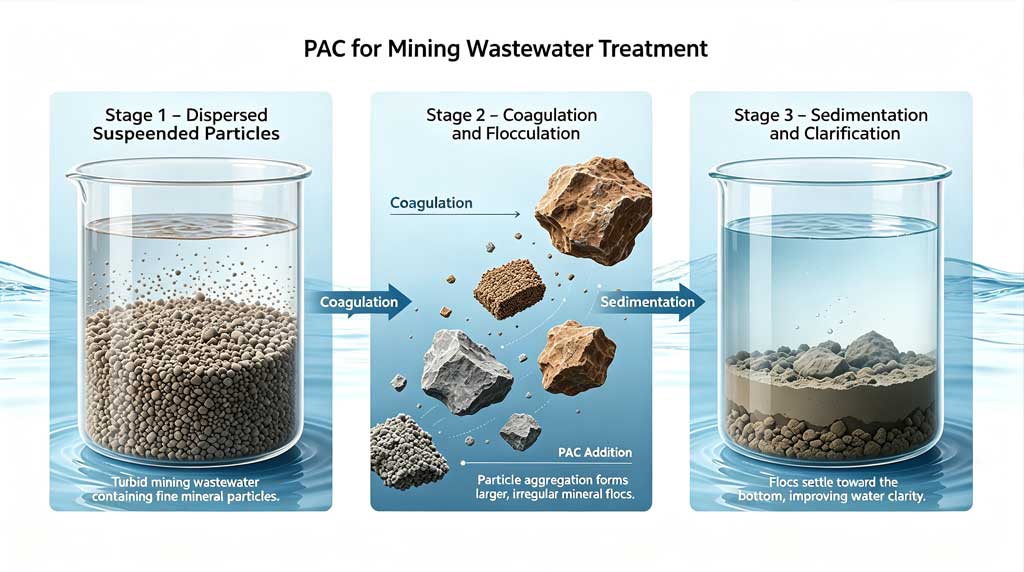
PAC improves the treatment of suitable mining wastewater mainly through coagulation. Its action involves destabilizing suspended particles and promoting their aggregation, making them easier to separate from water. The process generally involves two related stages.
Charge Neutralization and Particle Destabilization
Fine mineral particles and colloidal materials in water often carry surface charges that help keep them dispersed. The electrostatic repulsion between particles can make natural aggregation and settling difficult.
When PAC is added to water, its aluminum species interact with particle surfaces. Depending on the PAC characteristics and water conditions, positively charged aluminum species can reduce the surface charge of suspended particles. This weakens the electrostatic repulsion between particles and promotes destabilization.
The extent of charge neutralization depends on factors such as pH, coagulant dosage, and the chemical composition of the water. Therefore, the coagulation mechanism and performance may vary between different mining wastewater streams.
Floc Formation and Solid-Liquid Separation
Once suspended particles become destabilized, they can aggregate through particle collisions during the mixing process. Larger flocs may gradually form, making the suspended solids easier to separate from the water.
These flocs can then be removed through sedimentation or filtration, depending on the treatment system. In some applications, a polymer flocculant such as PAM may also be used to improve floc formation and separation. However, the need for an additional flocculant should be determined through testing rather than assumed for every PAC application.
Overall, PAC supports mining wastewater treatment by improving the aggregation and subsequent separation of suspended particles. The actual results depend on water chemistry, PAC characteristics, dosage, and mixing conditions.
How to Select the Right PAC for Mining Applications
Selecting the right PAC for mining wastewater treatment requires more than comparing product specifications. The wastewater characteristics, treatment objectives, and actual coagulation performance must all be considered. A PAC product that works well in one mining operation may not deliver the same results in another.
Evaluate Wastewater Characteristics
Before selecting a PAC product, first understand the wastewater to be treated. Important parameters include:
- pH: Influences aluminum hydrolysis and coagulation behavior.
- Turbidity and TSS: Help indicate the amount of suspended material that needs to be removed.
- Alkalinity: Affects the water’s ability to resist pH changes during chemical treatment.
- Particle characteristics: Particle size, mineral composition, and colloidal properties can influence coagulation performance.
- Other chemical components: Dissolved salts, residual flotation reagents, and dissolved metals may affect treatment requirements.
It is also important to define the treatment objective. For example, a mine may prioritize process water clarification, suspended solids reduction, or improved water recovery from tailings. These objectives may require different treatment conditions.
Compare PAC Product Specifications
Once the wastewater characteristics are understood, compare PAC products based on their technical specifications and intended application. Key parameters include:
- Al₂O₃ Content: Indicates the aluminum oxide content of the product and is an important specification for comparing PAC grades.
- Basicity: Reflects the degree of hydroxylation of the aluminum species and can influence hydrolysis behavior and coagulation performance.
- Water-Insoluble Matter: Indicates the proportion of material that does not dissolve under the specified test conditions.
- Product Form: PAC is available in powder and liquid forms. The appropriate form depends on chemical preparation facilities, dosing equipment, storage conditions, and handling requirements.
- Solution pH and Dissolution Characteristics: These should be considered when evaluating chemical preparation, compatibility with the existing treatment system, and operating conditions.
No single specification determines whether a PAC product is suitable for mining wastewater. For example, a higher Al₂O₃ content does not automatically guarantee better clarification. Product specifications should be evaluated together and confirmed against actual treatment performance.
For a closer look at available grades and product specifications, see Poly Aluminium Chloride (PAC).
Conduct Jar Tests Before Full-Scale Application
Technical specifications can help narrow down suitable PAC candidates, but laboratory testing is necessary to evaluate their performance in a specific mining wastewater stream.
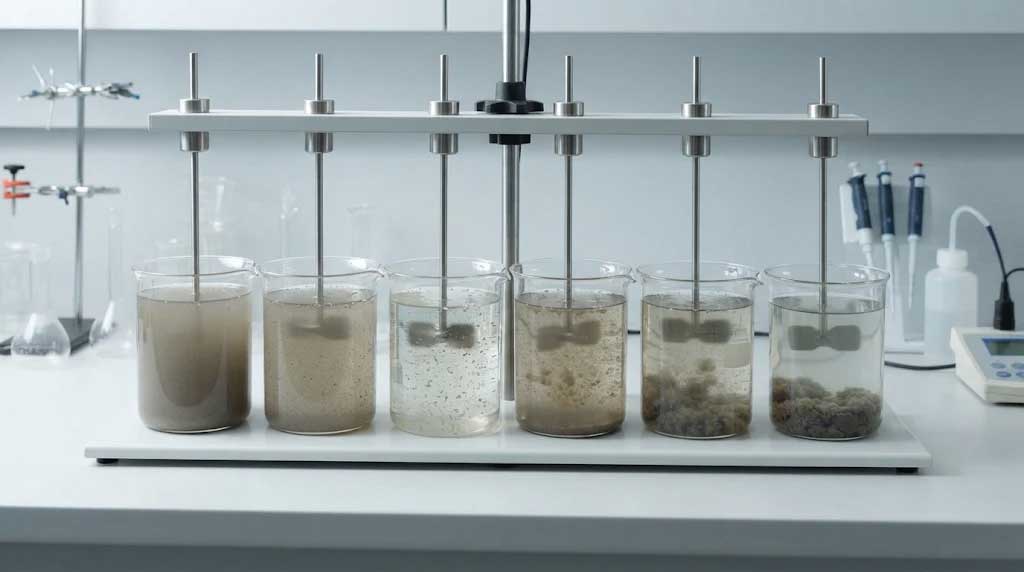
A jar test can be used to compare different PAC products and treatment conditions using representative wastewater samples. During the test, consider the following:
- Prepare representative samples: Collect wastewater from the actual treatment point and record its basic water quality characteristics.
- Compare PAC products: Test candidate products under controlled conditions using an appropriate range of dosages.
- Observe coagulation and settling: Evaluate particle aggregation, floc formation, settling behavior, and the clarity of the treated water.
- Measure treatment results: Where relevant, compare supernatant turbidity, suspended solids, pH, and other indicators related to the treatment objective.
- Evaluate additional treatment chemicals: If PAC alone does not provide the desired separation, test whether a flocculant such as PAM can improve the results. Evaluate the contribution of each chemical separately.
The optimum PAC dosage and operating conditions should be determined from test results rather than copied from another mining project. After laboratory evaluation, pilot testing may be necessary to confirm performance under actual operating conditions before full-scale application.
The appropriate PAC dosage should be determined through jar testing rather than assumed from a fixed value. Testing different dosages under controlled conditions helps evaluate floc formation, settling performance, and the quality of the clarified water. Learn more about PAC Dosage Through Jar Testing.
What Are the Limitations of PAC in Mining Wastewater Treatment?
Although PAC can support suspended solids removal in suitable mining wastewater, it cannot address every water quality problem. Its limitations should be considered when designing a treatment process.
Limited Removal of Dissolved Metals
PAC primarily works as a coagulant for destabilizing suspended particles. It should not be assumed to remove dissolved heavy metals effectively through coagulation alone. Dissolved metal ions may require chemical precipitation, pH adjustment, or other specialized treatment processes before solid-liquid separation. The appropriate method depends on the metal species and wastewater chemistry.
Not a Replacement for Acid Mine Drainage Treatment
Acid mine drainage (AMD) can contain high acidity, sulfate, and dissolved metals. PAC coagulation alone does not neutralize the acidity or provide a complete solution for dissolved metal removal. AMD treatment commonly requires processes such as alkaline neutralization and metal precipitation, followed by sedimentation or other separation methods.
Performance Depends on Water Chemistry
Mining wastewater can vary in pH, alkalinity, salinity, particle composition, and residual processing chemicals. These factors may influence PAC hydrolysis, particle destabilization, and floc formation. If the water conditions are unsuitable, coagulation performance may be limited, and additional treatment or process adjustment may be necessary.
Sludge and Residual Aluminum Management
PAC treatment transfers suspended contaminants from the water into separated sludge rather than eliminating them. The resulting sludge must be properly handled and managed according to its composition and applicable disposal requirements. Residual aluminum in treated water may also need to be monitored where water reuse or discharge standards require it.
Therefore, PAC is best regarded as one component of a mining wastewater treatment process, rather than a standalone solution for all contaminants. Its suitability should be confirmed through water analysis and treatment testing.
Frequently Asked Questions About PAC in Mining
1. What Is PAC Used for in Mining?
PAC is used as an inorganic coagulant in selected mining wastewater treatment applications. It can help improve the removal of suspended mineral particles from coal mine water, mineral processing wastewater, and tailings-related water streams.
2. Can PAC Treat Mining Wastewater?
Yes, PAC can be used to treat certain types of mining wastewater, particularly those containing suspended solids and fine particles. However, its effectiveness depends on water chemistry, particle characteristics, and treatment conditions. It is not a complete solution for all mining wastewater contaminants.
3. Can PAC Remove Suspended Solids from Mining Wastewater?
PAC can promote the aggregation of suspended particles, making them easier to separate through sedimentation or filtration. Actual removal performance depends on the wastewater composition, PAC product, dosage, and operating conditions.
4. Can PAC and PAM Be Used Together in Mining Wastewater Treatment?
Yes. PAC and polyacrylamide (PAM) can be used together in some coagulation-flocculation processes. PAC helps destabilize suspended particles, while PAM may promote the formation of larger flocs. Their combined performance depends on the water characteristics, polymer type, dosage, and dosing sequence, which should be evaluated through jar tests.
5. How Do You Determine PAC Dosage for Mining Wastewater?
There is no universal PAC dosage for mining wastewater. The appropriate dosage should be determined through jar tests using representative wastewater samples. Factors such as pH, turbidity, suspended solids concentration, alkalinity, and particle characteristics should be considered.
Conclusion
PAC can be a useful coagulant for mining wastewater streams containing suspended mineral particles, including coal mine water, mineral processing wastewater, and tailings-related water. However, its performance depends on wastewater characteristics, product specifications, and operating conditions. Selecting the right PAC requires proper water analysis, product evaluation, and jar testing before full-scale application.
For mining wastewater treatment projects, choosing a suitable PAC product is an important step toward effective solid-liquid separation. Explore Yuncang’s Poly Aluminium Chloride (PAC) product specifications or contact our team to discuss your application requirements.
Post time: Nov-20-2026


