

Trichloroisocyanuric acid (TCCA) is a chlorine-based disinfectant widely used in water treatment, swimming pools, and industrial sanitation. Because of its strong oxidation and broad-spectrum antimicrobial properties, Trichloroisocyanuric Acid is also used in several agricultural disinfection applications, including seed treatment, irrigation water sanitation, greenhouse hygiene, equipment disinfection, and livestock and poultry environments.
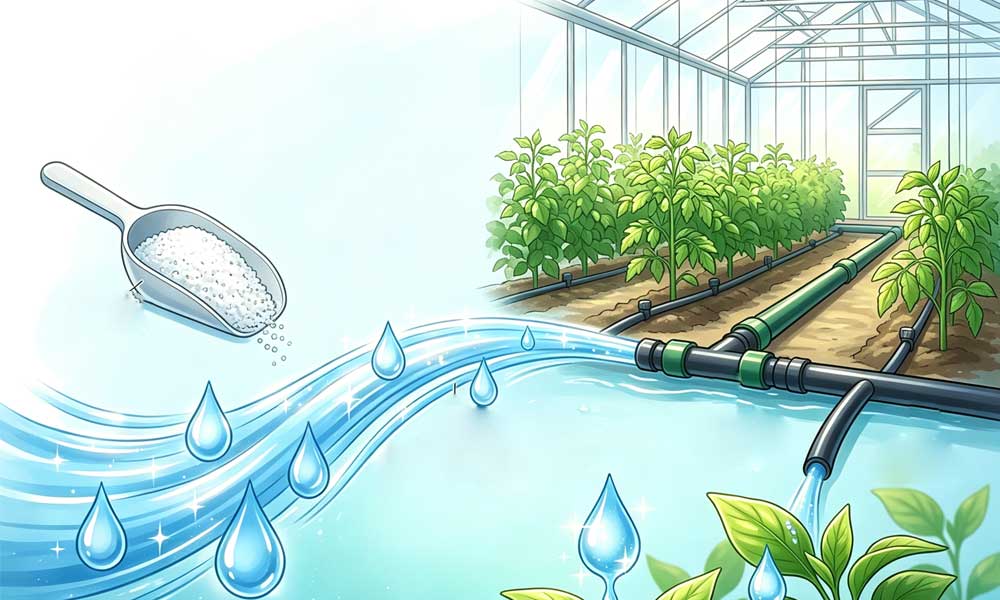
For agricultural producers, distributors, and agricultural chemical buyers, TCCA can provide a practical source of available chlorine for controlling bacteria, fungi, algae, and other microorganisms when it is used correctly and in accordance with local regulations.
This article explains the main applications of Trichloroisocyanuric Acid in agriculture, its advantages, and the key factors to consider when selecting and using TCCA.
What Is Trichloroisocyanuric Acid?
TCCA is known for its high available chlorine content, with commonly supplied TCCA products containing approximately 90% available chlorine. It is relatively stable under dry storage conditions and releases active chlorine when dissolved in water.
The active chlorine provides oxidation and disinfection activity against a broad range of microorganisms. This makes TCCA suitable for applications where microbial control is important.
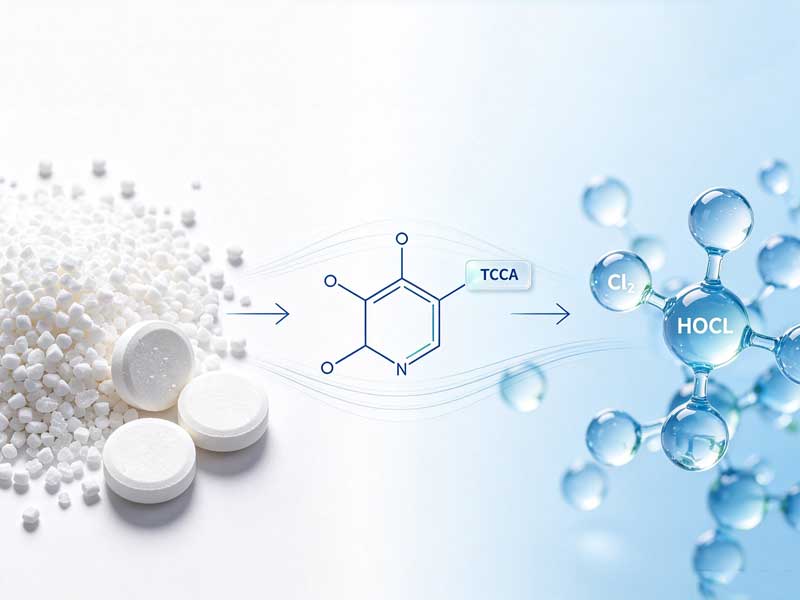
Depending on local regulations and the specific product registration, TCCA may be used in areas such as:
- Water disinfection
- Agricultural and irrigation water sanitation
- Seed disinfection
- Greenhouse and equipment sanitation
- Livestock and poultry hygiene
- Fruit and vegetable sanitation
- Aquaculture water treatment
However, the appropriate use, concentration, contact time, and regulatory requirements depend on the specific agricultural application and local regulations.
How Does Trichloroisocyanuric Acid Work as a Disinfectant?
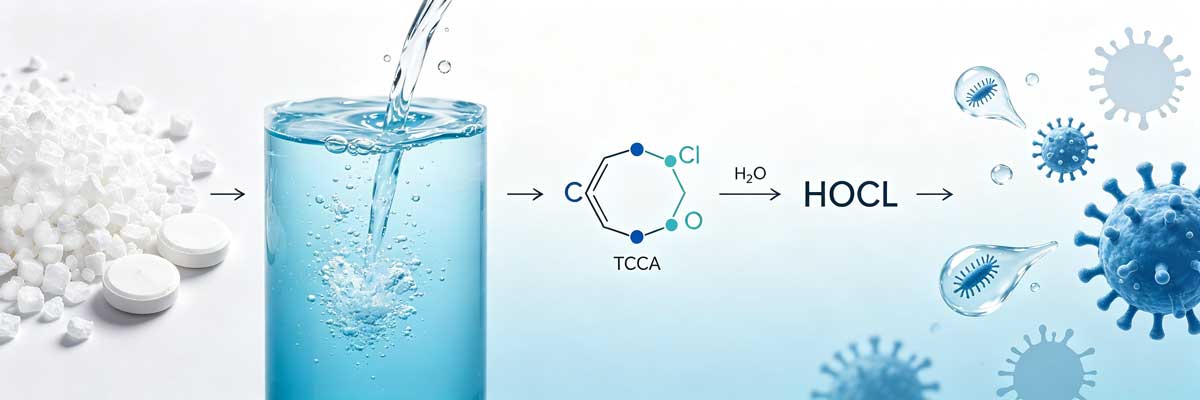
When TCCA dissolves in water, it releases available chlorine that provides the primary antimicrobial action.
The active chlorine can oxidize and damage essential components of microorganisms, helping control bacteria, fungi, viruses, and algae. This broad-spectrum activity is one of the main reasons TCCA is considered for agricultural disinfection.
The actual disinfection performance depends on several factors, including:
- Available chlorine concentration
- Contact time
- Water quality
- Organic matter
- pH
- Temperature
- Target microorganisms
- Application method
For this reason, using the correct TCCA product and following the applicable product label or technical instructions is important for consistent results.
Main Applications of Trichloroisocyanuric Acid in Agriculture
The agricultural sector includes many different environments where microbial contamination can affect crop production, animal health, water quality, and post-harvest handling. The following are some of the main applications of Trichloroisocyanuric Acid in agriculture.
1. TCCA for Seed Disinfection
Seed surfaces can carry bacteria and fungi that may contribute to disease during germination and early plant development.
TCCA can be used for seed disinfection to help reduce microorganisms present on the seed surface before sowing. Proper seed sanitation can help reduce the risk of introducing certain pathogens into the growing environment. This application is particularly relevant where seed-borne contamination is a concern.
However, seed treatment should be carried out according to crop-specific requirements. Excessive disinfectant exposure may affect seed quality, so the appropriate treatment conditions should be established before large-scale use.
Potential benefits of TCCA for seed treatment:
- Helps reduce microorganisms on seed surfaces
- Supports better seed hygiene before planting
- May reduce the risk of certain seed-borne diseases
- Provides a practical chlorine-based disinfection option
2. TCCA for Soil Disinfection
Soil can accumulate pathogens and other biological contaminants over repeated production cycles.
In protected agriculture, such as greenhouses and plastic tunnels, Trichloroisocyanuric Acid may be used as part of soil sanitation programs to help control microorganisms and reduce disease pressure.
The original application concept includes the control of soil-borne pathogens, nematodes, and insect eggs, particularly where continuous cultivation or crop rotation problems create additional disease pressure.
Soil disinfection should be carefully managed because excessive chemical treatment can affect beneficial microorganisms as well as unwanted organisms. Application methods and rates should therefore follow the relevant agricultural recommendations and product instructions.
3. TCCA for Irrigation Water Disinfection
Irrigation water can become a pathway for microbial contamination in agricultural production systems.
TCCA for irrigation water disinfection can help control bacteria, viruses, algae, and other microorganisms in irrigation systems. It can also help reduce biological growth and biofilm formation that may contribute to clogging in drip irrigation or sprinkler systems.
This application is especially relevant for:
- Drip irrigation systems
- Sprinkler irrigation systems
- Greenhouse irrigation
- Agricultural water storage systems
- Recirculating irrigation water
For irrigation applications, water quality is particularly important. Organic matter and other substances in the water can consume available chlorine and reduce disinfection efficiency.
4. TCCA for Agricultural Equipment Disinfection
Agricultural tools and equipment can transfer microorganisms from one crop, greenhouse area, or production site to another.
TCCA can be used for disinfecting surfaces such as:
- Pruning shears
- Knives
- Seedling trays
- Harvesting equipment
- Transport containers
- Other agricultural tools and surfaces
Regular equipment sanitation can help reduce the risk of cross-contamination between production areas.
For equipment disinfection, the surface should generally be cleaned first when heavy dirt or organic material is present, because organic contamination can reduce the effectiveness of chlorine-based disinfectants.
5. TCCA in Livestock and Poultry Farming
Livestock and poultry facilities require effective hygiene management because microorganisms can spread through floors, equipment, water systems, and other surfaces.
TCCA can be used in certain livestock and poultry disinfection applications, including sanitation of animal housing areas, floors, and drinking-water systems, subject to local regulations and product approvals.
The purpose is to reduce microbial contamination and help limit the risk of disease transmission within the production environment.
Potential application areas include:
- Poultry houses
- Livestock pens
- Floors and hard surfaces
- Drinking-water systems
- Agricultural equipment
- Farm sanitation areas
Because animals can be directly exposed to disinfectants, product selection and application procedures should be based on the intended use and applicable veterinary or agricultural regulations.
6. TCCA for Fruit and Vegetable Sanitation
Fresh fruits and vegetables can become contaminated with microorganisms during harvesting, handling, transportation, and processing.
TCCA can be used in some fruit and vegetable sanitation applications to help control microorganisms on surfaces and support hygienic post-harvest handling.
The original article identifies fruit and vegetable washing and sanitation as one potential TCCA application, with the goal of reducing surface microorganisms and supporting storage quality.
For food-related applications, however, regulatory requirements are particularly important. Only products approved or registered for the intended food-contact application should be used, and the applicable concentration, contact time, rinsing requirements, and residue limits must be followed.
7. TCCA for Greenhouse and Tunnel Disinfection
Greenhouses and plastic tunnels provide controlled growing environments but can also create conditions favorable for the spread of plant diseases, especially when humidity is high.
TCCA can be incorporated into greenhouse sanitation programs for disinfecting suitable surfaces and facilities, including:
- Floors
- Structural surfaces
- Tools and equipment
- Certain water systems
- Other suitable hard surfaces
Proper sanitation can help reduce microbial contamination and support a cleaner production environment.
The original article also discusses the potential use of TCCA for greenhouse and tunnel air disinfection. Because aerosol or air-treatment applications can involve different exposure and safety considerations, this type of application should only be carried out when specifically permitted by the product label and applicable regulations.
8. TCCA for Sprout Production
Sprout production requires careful microbial control because sprouts are commonly grown in warm and humid conditions.
The original article identifies sprout production disinfection as an emerging application of TCCA and notes that its feasibility has been demonstrated.
As with fruit and vegetable sanitation, sprout production is a food-related application. Therefore, the product must meet the applicable regulatory and food-safety requirements before commercial use.
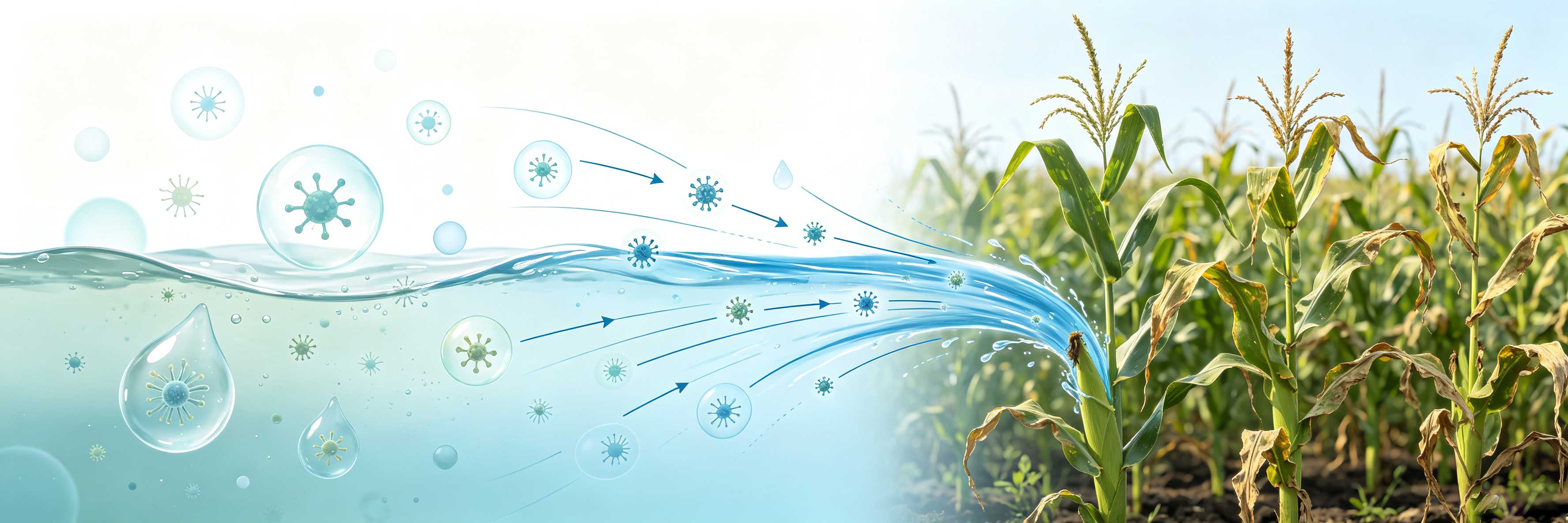
What Happens When Agricultural Disinfection Is Inadequate?
Insufficient disinfection can create problems throughout the agricultural production cycle.
Potential consequences include:
Poor sanitation can contribute to the accumulation and spread of pathogens, increasing the risk of disease outbreaks and cross-contamination.
Seed and soil contamination may contribute to uneven emergence, weak growth, and increased disease pressure during early crop development.
Biological growth and biofilm formation can contribute to clogged irrigation equipment and deteriorating water quality.
Disease management, crop losses, equipment cleaning, and additional labor can increase overall production costs.
The original article highlights increased disease incidence, soil-borne disease accumulation, cross-contamination, irrigation problems, and higher production costs as potential consequences of inadequate disinfection.
Benefits of Using Trichloroisocyanuric Acid in Agricultural Disinfection
Why do agricultural users consider TCCA as a disinfectant?
Broad-Spectrum Disinfection
TCCA releases available chlorine and can provide broad antimicrobial activity against bacteria, fungi, viruses, and algae. This makes it useful when multiple types of microorganisms need to be controlled within an agricultural sanitation program.
High Available Chlorine Content
Commercial TCCA products commonly contain approximately 90% available chlorine. A high available chlorine content means that TCCA can provide a relatively high amount of active chlorine per unit weight of product, which is one reason it is widely used in chlorine-based disinfection applications.
Multiple Physical Forms
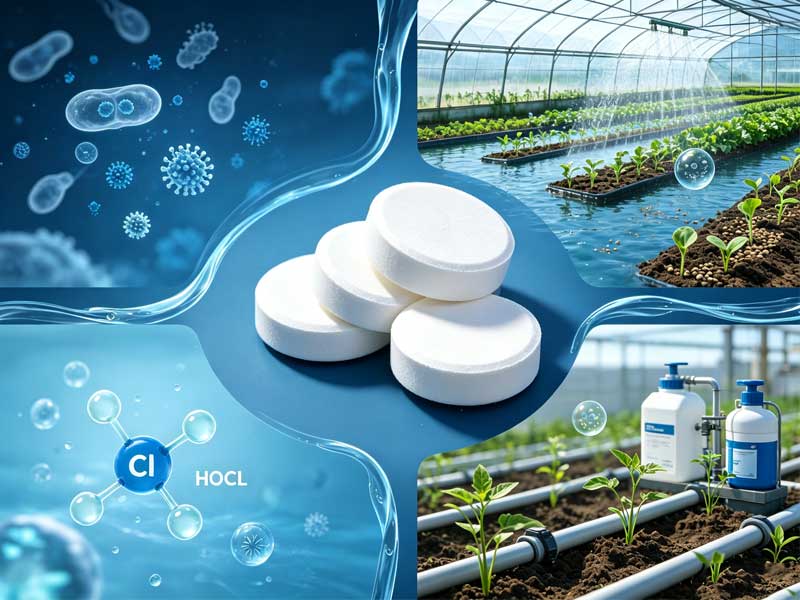
TCCA is commonly available in:
- Powder
- Granules
- Tablets
Different forms can be selected according to the application, dosing method, storage requirements, and customer’s operating conditions.
Wide Range of Agricultural Applications
One of the main advantages of TCCA is its versatility.
Depending on regulatory approval and the specific application, it can be considered for:
Seed → Soil → Irrigation Water → Equipment → Greenhouse → Livestock & Poultry → Post-Harvest Sanitation
This makes TCCA a potentially useful component of an integrated agricultural hygiene program.
What Should You Consider When Buying TCCA for Agriculture?
Not all TCCA products perform identically simply because they have a similar appearance or stated chlorine content. For agricultural buyers, distributors, and importers, product quality should be evaluated before placing a large order.
1. Available Chlorine
Available chlorine is one of the most important indicators of TCCA quality.
For standard TCCA 90 products, buyers should verify the actual available chlorine specification through the product specification and COA.
2. Dissolution Performance
Dissolution behavior can be particularly important for applications involving irrigation systems or controlled dosing. A product that dissolves inconsistently or leaves excessive insoluble material may create operational problems.
The original article notes that comparative testing by the supplier’s technical team found differences in dissolution behavior between products, including slower dissolution and flaky residues in some competing products.
For this reason, buyers should consider both chemical specifications and actual application performance.
3. Product Form
Choose the appropriate form based on the application.
For example:
- Powder may be suitable for certain rapid-dissolution applications.
- Granules can provide convenient handling and dosing for some water-treatment applications.
- Tablets can be useful where controlled dissolution or convenient dosing is required.
The right form depends on the application rather than simply choosing the highest available chlorine content.
4. Packaging and Storage
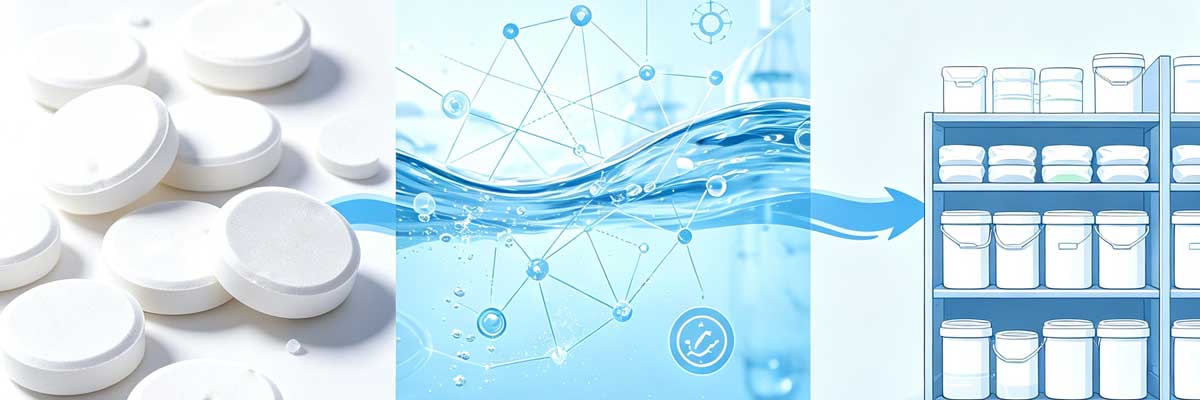
TCCA is a chlorine-based oxidizing chemical and should be stored according to the applicable safety requirements.
Keep the product:
- Dry
- Away from moisture
- Away from incompatible chemicals
- In suitable original packaging
- In a well-ventilated storage area
Buyers should also check transportation and dangerous-goods requirements before arranging international shipments.
Is TCCA Safe for Agricultural Use?
However, “agricultural use” covers many different applications, and the regulatory requirements are not the same for seed treatment, irrigation water, animal facilities, and food-contact applications.
Therefore, users should not assume that a TCCA product approved for one application is automatically approved for another.
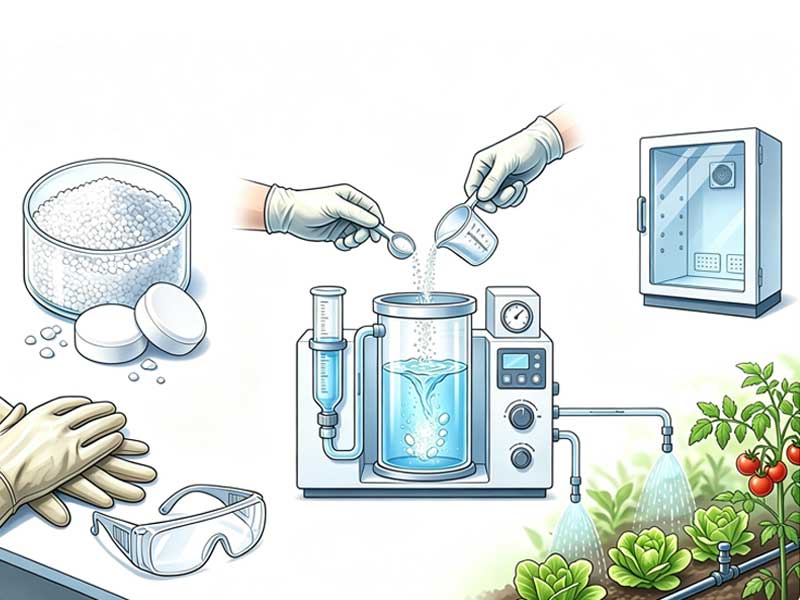
Before commercial agricultural use, check:
- The product label and technical data sheet.
- Local agricultural or veterinary regulations.
- Food-contact requirements where applicable.
- Worker and animal exposure precautions.
- Compatibility with equipment and other chemicals.
This approach helps ensure that TCCA is used as an effective disinfectant while maintaining appropriate safety and regulatory compliance.
Choosing a Reliable Trichloroisocyanuric Acid Supplier
For importers, distributors, wholesalers, and agricultural chemical buyers, product quality is only one part of the purchasing decision. Stable supply, technical support, documentation, packaging, and after-sales service are also important.
Before purchasing TCCA for agricultural or other disinfection applications, learn how to evaluate product quality and choose a reliable supplier in our guide to selecting a quality Trichloroisocyanuric Acid Supplier.
Our company has around 30 years of experience in the chemical industry and supplies TCCA as one of our key products. Our technical team includes professionals with chemistry backgrounds, and we work with long-term manufacturing partners to maintain stable supply and consistent product quality.
We can support customers with:
- TCCA 90 powder, granules, and tablets
- Product specifications and COA
- Packaging solutions
- Technical product information
- Export and shipping support
- OEM/private-label requirements
- Long-term supply arrangements
For buyers evaluating Trichloroisocyanuric Acid for agricultural disinfection, we recommend discussing the intended application before selecting the product form and specification.
Frequently Asked Questions About Trichloroisocyanuric Acid in Agriculture
Conclusion
Trichloroisocyanuric Acid (TCCA) has a wide range of potential applications in agricultural disinfection. From seed and soil sanitation to irrigation water, greenhouse hygiene, equipment disinfection, livestock and poultry environments, and certain post-harvest applications, TCCA can provide broad-spectrum chlorine-based microbial control.
For agricultural buyers, however, choosing the right TCCA product is not only about available chlorine content. Dissolution performance, product form, application requirements, regulatory approval, packaging, storage, and supply reliability should all be considered.
If you are looking for TCCA for agricultural disinfection, contact us with your intended application, required specification, packaging, and purchase quantity. Our team can help you evaluate a suitable TCCA product for your market and application.
Post time: Sep-14-2026


