The Ultimate B2B Handbook for Sourcing, Pricing, Compliance, and Market Expansion
As a potent disinfectant, oxidant, and bleaching agent, Calcium Hypochlorite plays a vital role across numerous industries. Its scope of application spans a wide range of fields, from swimming pool maintenance and municipal water disinfection to industrial wastewater treatment.
In today's rapidly evolving water treatment and sanitation industries, Calcium Hypochlorite has established itself as one of the most critical and widely traded chlorine-based chemicals worldwide. For distributors, wholesalers, and importers, it is more than just another commodity—it is a high-demand, high-turnover product with strong margins and global relevance.
For distributors, the opportunity is substantial—but so are the risks. Choosing the wrong Calcium Hypochlorite supplier can lead to:
· Product Instability
· Regulatory issues
· Customer Complaints
· Financial Losses
This comprehensive guide is designed to provide distributors with deep, actionable insights into every stage of the procurement process—from understanding product specifications to building long-term supplier partnerships.
Calcium Hypochlorite: Industrial Applications and Market Demand
Calcium hypochlorite's versatility means it is in demand across multiple industries. As a distributor, aligning your product selection with the dominant industries in your market will help you maximize sales and reduce inventory costs. Key applications include:
Water Treatment
The largest market for calcium hypochlorite, including municipal drinking water purification, swimming pool and spa sanitization, industrial circulating water sterilization, and wastewater treatment. Demand in this sector is driven by growing global access to clean water and stricter water quality regulations.
Healthcare and Public Hygiene
Hospitals, clinics, schools, hotels, and restaurants use calcium hypochlorite to disinfect surfaces, equipment, and environments. The post-pandemic focus on hygiene has increased demand in this segment, particularly for tablet and granular forms.
Agriculture and Aquaculture
Livestock farms, poultry facilities, and aquaculture ponds use calcium hypochlorite to disinfect water, equipment, and living environments, reducing the risk of disease outbreaks. Aquaculture, in particular, is a fast-growing market, with demand for granular calcium hypochlorite to maintain water quality in fish and shrimp farms.
Food Industry
Food processing plants and Slaughterhouse use calcium hypochlorite to disinfect equipment, surfaces, and food contact areas, ensuring compliance with food safety standards.
Household and Emergency Use
Residential users use calcium hypochlorite tablets for well water disinfection, household cleaning, and emergency water treatment (e.g., during natural disasters). This segment is characterized by small-volume, frequent purchases.

Types of Calcium Hypochlorite for Distribution
Understanding product segmentation is crucial for distributors.
By Form
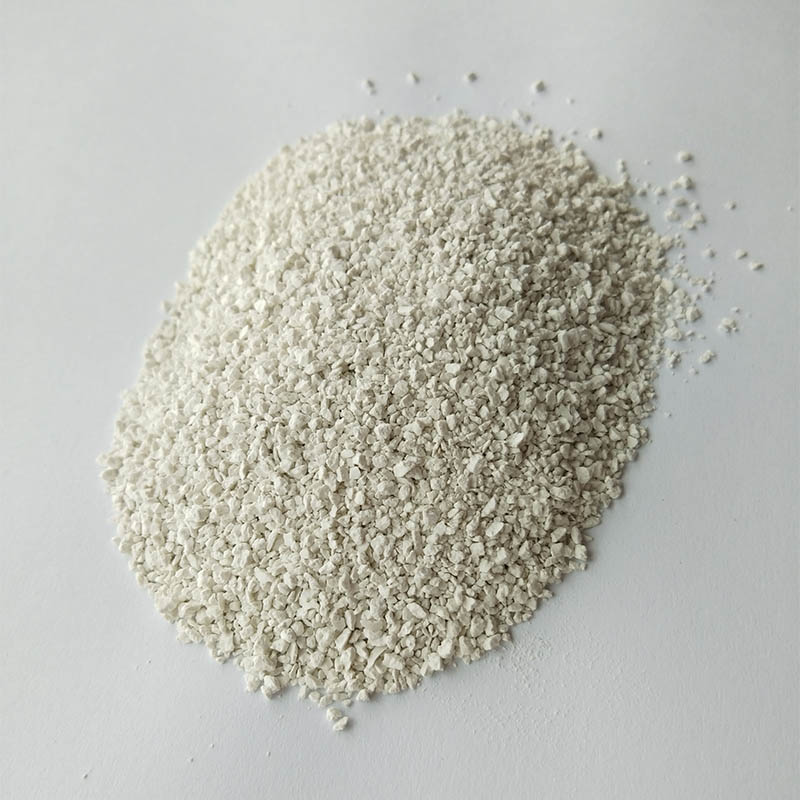
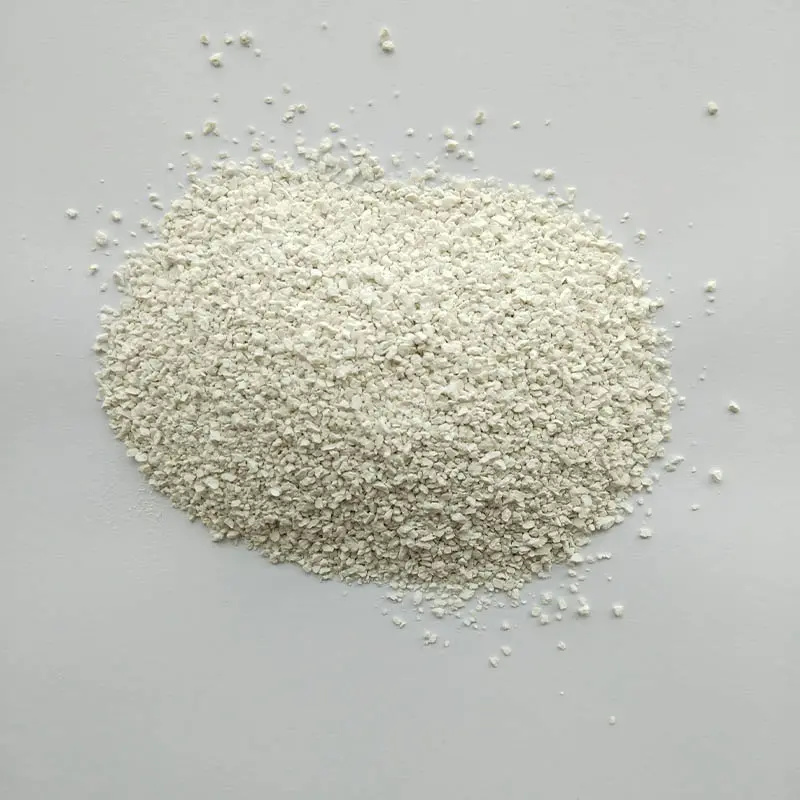
Granular Calcium Hypochlorite
Dissolves rapidly.

Tablet Calcium Hypochlorite
Dissolves relatively slowly; offers ease of handling, portability, and precise dosing.

By Process
Sodium Process (High Quality)
- Lower insolubles
- Better stability
- Preferred in developed markets
Calcium Process
- Lower cost
- Lower stability
- Higher residue
Calcium Hypochlorite Key Characteristics
- Available chlorine: typically 65%–70%
- Strong oxidizing properties
- Fast dissolution rate
- Long shelf life compared to liquid chlorine
- Stable for transportation and storage
Common Names in Global Markets:
- Calcium Hypochlorite
- Cal Hypo
- Bleaching Powder (also called chlorinated lime. An analog fo calcium hypochlorite with the available chlorine content of 35%)
Packaging impacts logistics, compliance, and branding.
Common Packaging:
- 40kg per drum
- 45kg per drum
- 1kg / 5kg / 10kg retail buckets
- Tablet jars for pool markets
Distributor Tip:
Private label packaging increases margins significantly.
How to Choose the Right Calcium Hypochlorite Supplier
Selecting a reliable Calcium Hypochlorite Supplier is the most critical step.
Production Capacity
Certifications (ISO, NSF, REACH, BPR)
United States
- EPA compliance
- NSF certification preferred
Europe
- BPR (Biocidal Products Regulation)
- REACH registration
Latin America
- Country-specific import approvals
Africa & Southeast Asia
- Less strict but price-sensitive markets
Stable Raw Material Sourcing
Quality Consistency
Batch stability
Low impurity levels
Understanding Calcium Hypochlorite Pricing Factors and Cost Analysis
Price is influenced by:
- Raw material cost (chlorine)
- Production process
- Packaging type
- Freight costs
- Distributor Strategy:
- Lock long-term contracts
- Diversify suppliers
- Monitor seasonal trends
Common Mistakes Calcium Hypochlorite Distributors Should Avoid
------
Choosing Suppliers Based on Price Only
Choosing the cheapest supplier may result in substandard products that fail to meet customer expectations, leading to returns, lost sales, and damage to your reputation. Always prioritize quality over price.
------
Ignoring Product Stability and Shelf Life
Calcium hypochlorite requires careful attention during transportation, storage, and shelf life. Ensure your storage facilities and staff are equipped to handle calcium hypochlorite safely. Use sales data and market trends to forecast demand and order accordingly.
------
Selecting Incorrect Product Forms for the Market
The preferred form of calcium hypochlorite varies depending on the specific market and application scenario. Thorough research should be conducted prior to stockpiling.
------
Overlooking Regulatory Requirements
Before formally purchasing calcium hypochlorite, it is imperative to invest the time to carefully verify the product's regulatory compliance.
Calcium Hypochlorite Market Trends and Future Outlook
To stay competitive, distributors must stay informed about market trends and emerging developments in the calcium hypochlorite industry and ensure that their products comply with these requirements. This may include investing in additional testing or product registration to meet new standards.
Calcium Hypochlorite remains one of the most important chemicals in global water treatment and sanitation industries. For distributors, success depends on:
- 1 Selecting the right product type
- 2 Understanding market demand
- 3 Working with a reliable Calcium Hypochlorite supplier
- 4 Optimizing pricing and packaging strategies
By following this guide, distributors can reduce risks, improve product performance, and build a sustainable, profitable business in the water treatment sector.
Post time: Mar-27-2026