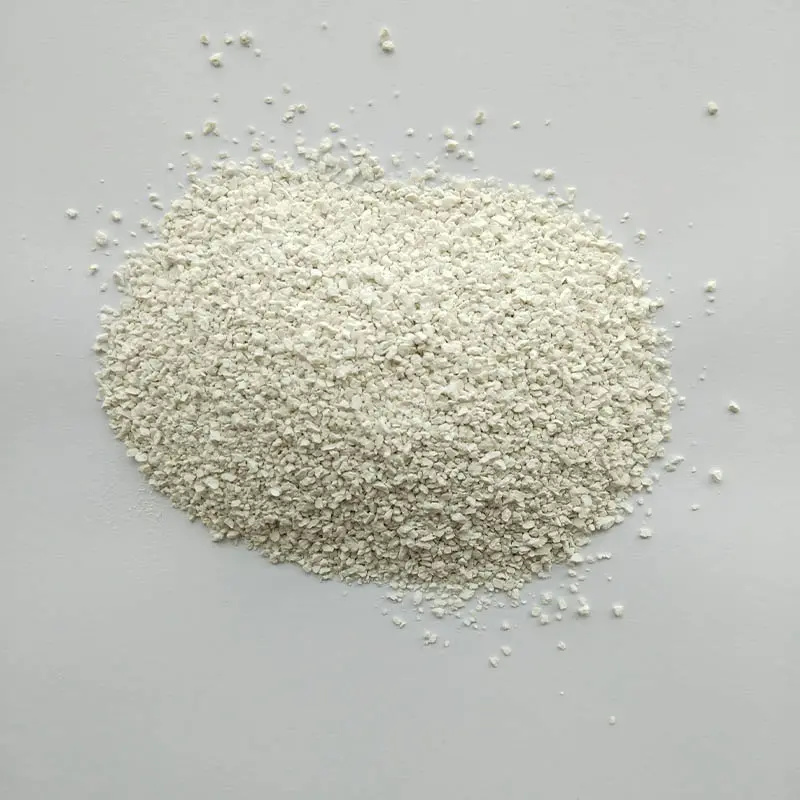
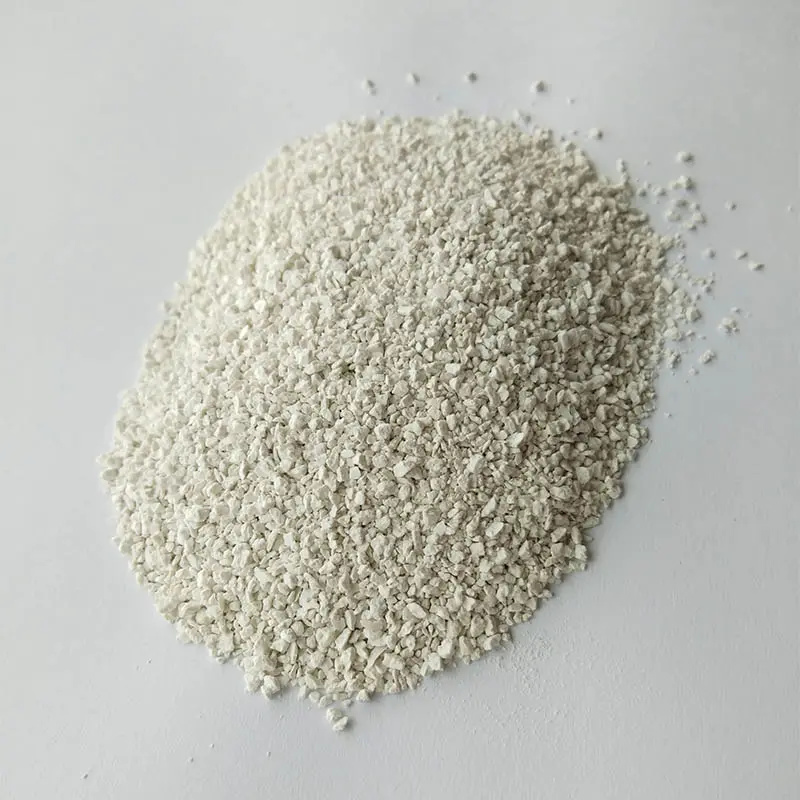
Aquaculture and fish farming have become important sources of protein globally, and the global aquaculture market is rapidly expanding to meet growing demand. Maintaining water quality, controlling pathogens, and preventing disease outbreaks are crucial for ensuring healthy fish populations and sustainable production. Among the various chemicals used in aquaculture, Calcium Hypochlorite (Cal Hypo) stands out as one of the most effective disinfectants due to its high efficiency and wide range of applications.
The Importance of Water Quality in Aquaculture
Water quality is the cornerstone of successful aquaculture operations. Poor water quality can lead to:
- Reduced fish growth rate and feed conversion ratio
- Increased susceptibility to disease
- Algal blooms and oxygen depletion
- Higher mortality rates
Maintaining optimal water quality requires controlling pathogens, algae, and organic matter in ponds, tanks, and reservoirs. Calcium hypochlorite provides a reliable solution to address these challenges.

Applications of Calcium Hypochlorite in Aquaculture
1. Pond Disinfection
Before introducing fish into a pond, the water must be disinfected to eliminate harmful microorganisms. Calcium hypochlorite is a commonly used disinfectant.
Procedure:
- Calculate the pond volume (m³) to determine the required amount of calcium hypochlorite.
- Dissolve the calcium hypochlorite in water to create a stock solution.
- Evenly sprinkle the solution over the pond surface.
- Allow 24-48 hours of contact time before introducing fish.
- Test the residual chlorine level; ensure the residual chlorine level is below 0.5 ppm to prevent harm to the fish.
This process helps prevent infections from diseases such as Aeromonas, Vibrio, and Streptococcus, which can be devastating to fish stocks.
2. Fish Disease Prevention
Aquaculture environments are susceptible to bacterial, viral, and fungal infections. Regular disinfection with calcium hypochlorite can reduce pathogen levels and prevent disease outbreaks.
Preventive Measures:
- Water treatment during the production cycle
- Disinfection should be performed during high-risk periods, such as after heavy rainfall or water changes.
- Maintain appropriate residual chlorine levels for aquatic life.
- Regular treatment with sodium hypochlorite strengthens biosecurity in aquaculture systems and reduces the need for antibiotics.
3. Algae Control
Excessive algae growth in ponds or tanks can lead to oxygen depletion, pH fluctuations, and fish stress. Calcium hypochlorite is effective in controlling algae blooms, especially in sunlit outdoor ponds.
Application Tips:
- Apply sodium hypochlorite in the early morning or evening to minimize photodegradation.
- Avoid overuse to prevent harm to fish or beneficial microorganisms.
- Combine with aeration to ensure even distribution.
This helps maintain the balance of the aquatic ecosystem, promoting healthy fish growth.
4. Equipment and Facility Sanitation
In addition to water treatment, calcium hypochlorite can be used to disinfect:
- Nets, buckets, and aeration devices
- Storage tanks, pipes, and filtration systems
- Feed storage areas
Method: Prepare a diluted solution (0.5%–1% w/v) and soak or spray the equipment. Rinse thoroughly before use to prevent chlorine residue from affecting fish health.
Calcium Hypochlorite in Aquaculture: Dosage Guidelines and Application Methods
In aquaculture, the dosage of Calcium Hypochlorite varies depending on water quality conditions, pond size, stocking density, and the intended purpose of treatment. Proper use of Calcium Hypochlorite in aquaculture ensures effective disinfection while maintaining a safe environment for fish and shrimp.
|
Application |
Typical Dosage |
Notes |
| Pond Disinfection | 50–100 mg/L | Pre-stock treatment; ensure chlorine drops <0.5 ppm before stocking |
| Algae Control | 2–5 mg/L | Can be repeated weekly if algae persist |
| Equipment & Facility | 0.5–1% solution | Soak or spray, rinse after 10–15 min |
| Emergency Disease Control | 2–5 mg/L | Short-term treatment; monitor fish for stress |
Application method of Calcium Hypochlorite in Aquaculture:
- Dissolve Calcium Hypochlorite in water beforehand to ensure even distribution throughout the aquaculture pond.
- After settling, take the supernatant solution and sprinkle it evenly onto the pond surface for uniform disinfection.
- For large-scale aquaculture operations, a water pump or sprayer can be used to apply the Calcium Hypochlorite solution more efficiently.
- Monitor chlorine levels using a test kit after applying Calcium Hypochlorite in aquaculture to avoid overuse and prevent stress or harm to aquatic organisms.
Calcium Hypochlorite Safety Precautions and Handling
Although effective, calcium hypochlorite can be dangerous if misused. Please follow these safety guidelines:
• Store in a cool, dry, and well-ventilated place, away from direct sunlight and moisture.
• Keep away from organic materials, acids, and fuels to prevent fire or explosion.
• Use protective equipment: gloves, safety glasses, and a face mask.
• Avoid direct contact with skin or eyes; if contact occurs, wash immediately.
• Never mix with other chemicals without professional guidance.
Following these practices will ensure safe and effective use in aquaculture environments.
Benefits of using Calcium Hypochlorite
• High efficiency: Quickly kills pathogens and controls algae.
• Stable and easy to transport: Its robust structure facilitates storage and transportation.
• Cost-effective: Requires smaller quantities compared to some other disinfectants.
• Flexible application: Suitable for ponds, tanks, equipment, and emergency treatment.
• Environmentally friendly: Decomposes into calcium salts with minimal environmental impact.
These advantages make Cal Hypo a preferred material for aquaculture operations worldwide.
Choosing a Reliable Calcium Hypochlorite Supplier
For aquaculture applications, selecting a high-quality calcium hypochlorite supplier is crucial. Key factors to consider include:
• Stable active chlorine content
• Proper packaging to ensure safe transportation and storage
• Technical support regarding dosage and application guidelines
• Compliance with international safety and environmental standards
• Strong supply capacity for large-scale aquaculture projects
• Partnering with a reputable supplier ensures uninterrupted operations and stable water quality.
Calcium hypochlorite is an indispensable tool in aquaculture and fish farming. From pond disinfection to algae control, disease prevention, and equipment cleaning, calcium hypochlorite provides a versatile, effective, and safe solution for maintaining optimal water quality. By following correct dosage guidelines, safety precautions, and sourcing from a reliable supplier, aquaculture operators can improve fish health, increase yields, and achieve sustainable operations.
Post time: Jan-20-2026