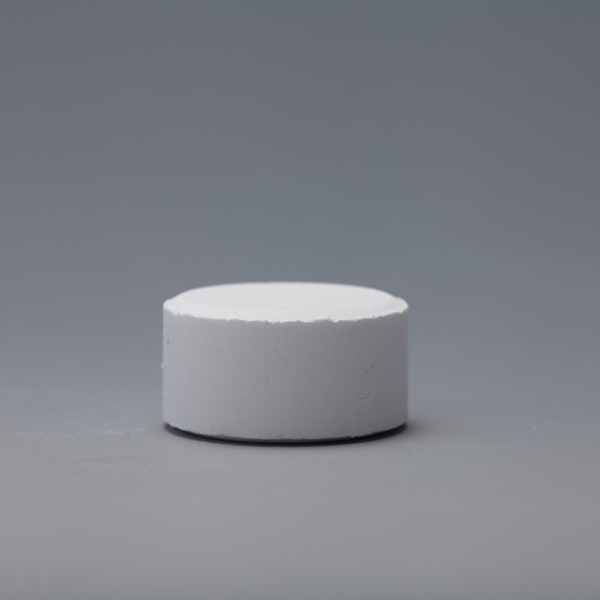
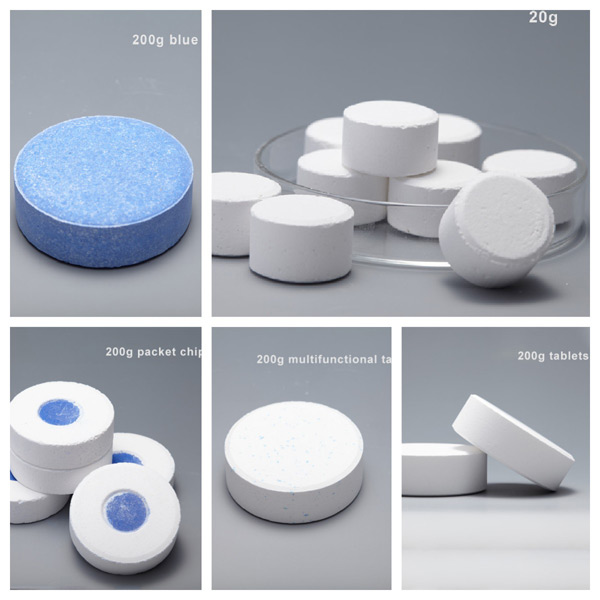
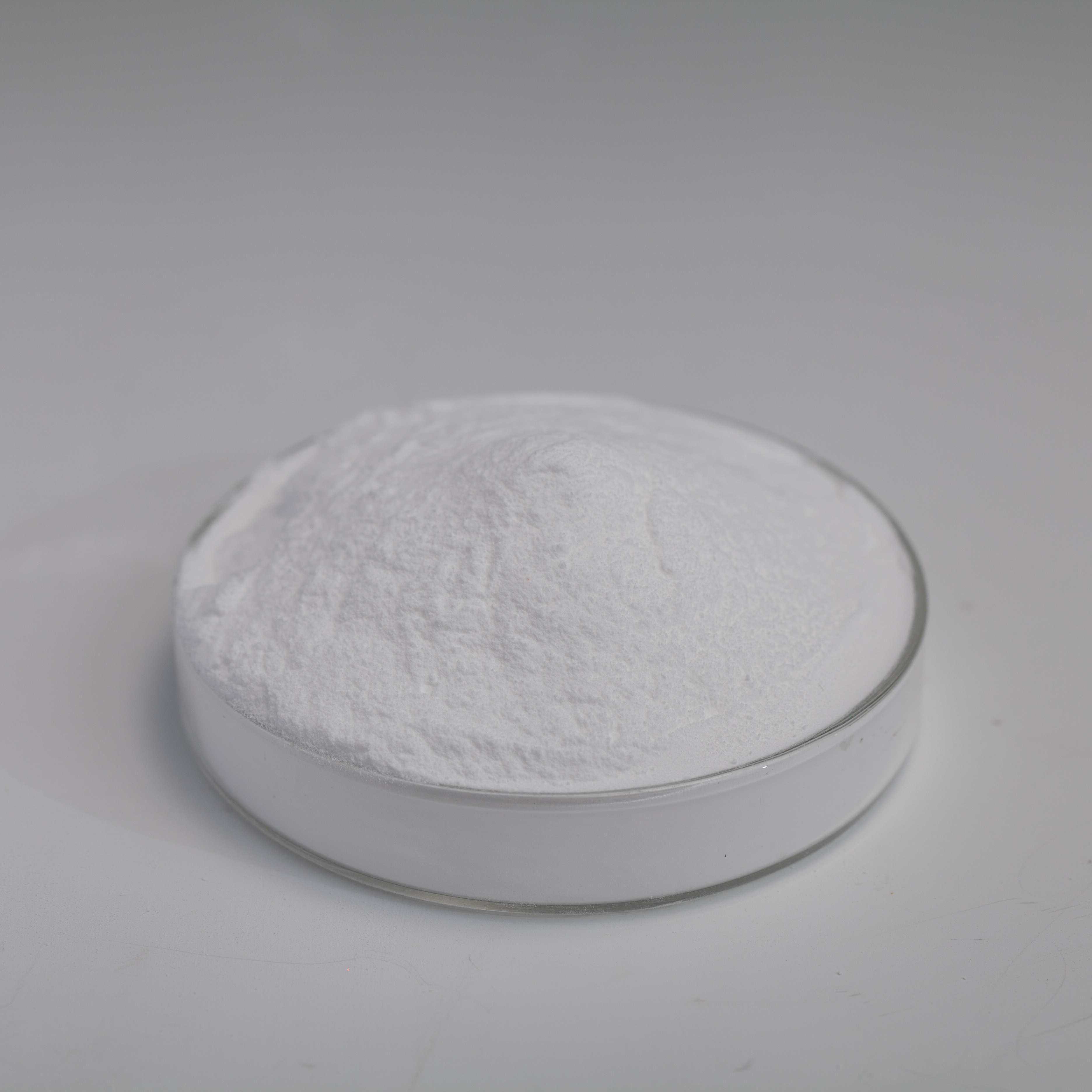
Swimming pool chlorine tablets play a crucial role in maintaining the cleanliness, safety, and hygiene of swimming pools, spas, water parks, and recreational facilities worldwide. Among all pool disinfectants, trichloroisocyanuric acid (TCCA) tablets and sodium dichloroisocyanurate (SDIC) tablets are two of the most widely used and trusted solutions. For large-scale buyers such as distributors, importers, wholesalers, and project contractors, choosing the right chlorine tablets is not just about price. Factors such as product stability, chlorine concentration, packaging, transportation safety, regulatory compliance, and supplier reliability are equally important.
This FAQ addresses the most common technical, commercial, and logistical questions about TCCA and SDIC chlorine tablets, helping you make informed purchasing decisions and choose the products best suited to your market. Whether you are wholesaling chlorine tablets, looking for a reliable chlorine tablet manufacturer, or planning to create your own brand through OEM services, this article will provide you with comprehensive information.
What is TCCA (Trichloroisocyanuric Acid)?

Trichloroisocyanuric Acid (TCCA) is a highly effective chlorine compound with an active chlorine content of approximately 90%. It is typically available in tablet, granular, or powder form.
Known benefits of TCCA tablets include:
- High chlorine concentration
- Slow dissolution rate
- Long-lasting disinfection effect
- Strong oxidizing ability
- Cost-effectiveness for large swimming pools
Due to these advantages, TCCA tablets are widely used in:
- Public swimming pools
- Competition pools
- Water parks
- Industrial water treatment
- Aquaculture disinfection
For bulk buyers, TCCA tablets are the best choice when long-term disinfection and cost-effectiveness are primary considerations.
What is SDIC (Sodium Dichloroisocyanurate)?

Sodium Dichloroisocyanurate is another stable chlorine disinfectant, typically containing 56% or 60% available chlorine. It dissolves faster than TCCA and has a milder effect on water pH.
Characteristics of SDIC tablets:
- Faster dissolution rate
- Near-neutral pH
- Safer handling
- Better compatibility with small swimming pools
- Suitable for frequent application
- Private swimming pools
- Spas and hot tubs
- Hotels and resorts
- Drinking water disinfection
- Household sanitation
Many buyers prefer SDIC tablets and granules when rapid chlorine release and flexible dosage control are required.
Why Are TCCA and SDIC the Most Popular Swimming Pool Disinfectants?
TCCA and SDIC dominate the global swimming pool disinfectant market because they combine efficiency, stability, and convenience.
Compared to liquid chlorine, TCCA and SDIC:
- Are easier to transport and store
- Have a longer shelf life
- Provide stable chlorine release
- Contain cyanuric acid stabilizers, making them suitable for outdoor pools with less impact from UV light
- Are suitable for long-distance transportation
For international buyers, these advantages make TCCA tablets and SDIC tablets the most economical and reliable solution.
Which is Better for Swimming Pools, TCCA or SDIC?
There is no absolute "better" choice; the choice depends on your usage needs:
Choose TCCA tablets if you want:
- Lower cost per unit of available chlorine
- Long-lasting effect
- Reduced dosing frequency
- Suitable for large commercial swimming pools
Choose SDIC if you want:
- Faster chlorine release rate
- Better control for smaller pools
- Less impact on water pH
- Safer handling for end-users
Many large-scale buyers stock both products to meet different market demands.
How to Use Chlorine Tablets in A Swimming Pool?
Never place chlorine tablets directly at the bottom of the pool. Recommended methods include:
- Floating dispenser
- Feeder
- Skimmer
This ensures even distribution and prevents damage to the pool surface.


How Much Chlorine Should Be Added to the Swimming Pool??
Typical dosage:
1-3 grams of available chlorine per cubic meter of water
Adjust according to chlorine demand, pool size, and water quality.
Regular testing is crucial to maintain chlorine levels between 1-3 ppm.
Are Chlorine Tablets Safe?
When used correctly, TCCA and SDIC tablets are safe and widely recognized disinfectants. However, safety rules must be followed:
- Avoid mixing with other chemicals.
- Wear protective gloves.
- Keep away from heat sources and humid environments.
- Store in a well-ventilated place.
What Packaging Options Are Available for Bulk Purchases of Swimming Pool Chlorine Tablets?
Standard Packaging:
- 25 kg plastic drum
- 50 kg fiber drum
- 5 kg/10 kg plastic drum
OEM Packaging Options:
- Custom labels
- Private labeling
- Custom cartons
- Multilingual instructions
As a Swimming Pool Chlorine Tablet Distributor, Can I Customize Our Brand?
Yes. Professional manufacturers offer OEM chlorine tablet services, including:
- Logo printing
- Packaging design
- Brand positioning
- Market-specific labeling
This helps distributors build a strong market image.
What Documents Are Required for the International Procurement of Chlorine Tablets?
- MSDS (Material Safety Data Sheet)
- Certificate of Analysis (COA)
- Packing List
- Commercial Invoice
- Dangerous Goods Declaration
What Factors Affect the Price of Chlorine Tablets?
- Raw material costs
- Effective chlorine content
- Packaging type
- Order quantity
- Shipping costs
- Market demand
Purchasing in bulk can significantly reduce the unit cost.
Summary of the Properties of Sodium Dichloroisocyanurate and Trichloroisocyanuric Acid
|
Item |
TCCA (Trichloroisocyanuric Acid) Tablets |
SDIC dihydrate (Sodium Dichloroisocyanurate dihydrate) Tablets |
|
Chemical Name |
Trichloroisocyanuric Acid |
Sodium Dichloroisocyanurate |
|
Common Abbreviation |
TCCA |
SDIC.2H2O |
|
CAS No. |
87-90-1 |
|
|
Molecular Formula |
C3Cl3N3O3 |
C3Cl2N3NaO3 |
|
Available Chlorine |
≥ 90% |
54% or per your need |
|
Appearance |
White tablets |
White |
|
Tablet Sizes |
2g, 10g, 20g, 200g,(customizable) |
3g, 10g, 20g, 200g,(customizable) |
|
Solubility |
Slowly soluble in water |
Easily soluble in water |
|
pH (1% solution) |
2.7 – 3.3 (acidic) |
5.5 – 7.0 (near neutral) |
|
Stability |
Very stable, long shelf life |
Stable, good storage performance |
|
Dissolution Speed |
Slow |
Fast |
|
Typical Dosage |
2–3 g per m³ of water |
2–4 g per m³ of water |
|
Packaging |
25kg plastic drum, 50kg fiber drum, OEM packaging |
25kg plastic drum, 50kg fiber drum, OEM packaging |
|
Dangerous Goods UN No. |
UN 2468 |
UN 3077 |
|
Storage Conditions |
Cool, dry, well-ventilated, away from heat and organic materials |
Cool, dry, well-ventilated, away from acids and moisture |
|
OEM Service |
Available (label, packaging, branding) |
Available (label, packaging, branding) |
|
Target Buyers |
Pool chemical distributors, importers, government projects, wholesalers |
Pool chemical distributors, hotels, spas, retailers, drinking water projects |
For large-scale buyers, choosing the right swimming pool chlorine tablets is a strategic decision that directly impacts cost-effectiveness, product performance, and customer satisfaction. Both TCCA and SDIC chlorine tablets are time-tested and reliable disinfectants, enjoying global recognition. Understanding their differences, applications, and logistical requirements will help you optimize your procurement process and strengthen your market position.
Post time: Jan-27-2026