

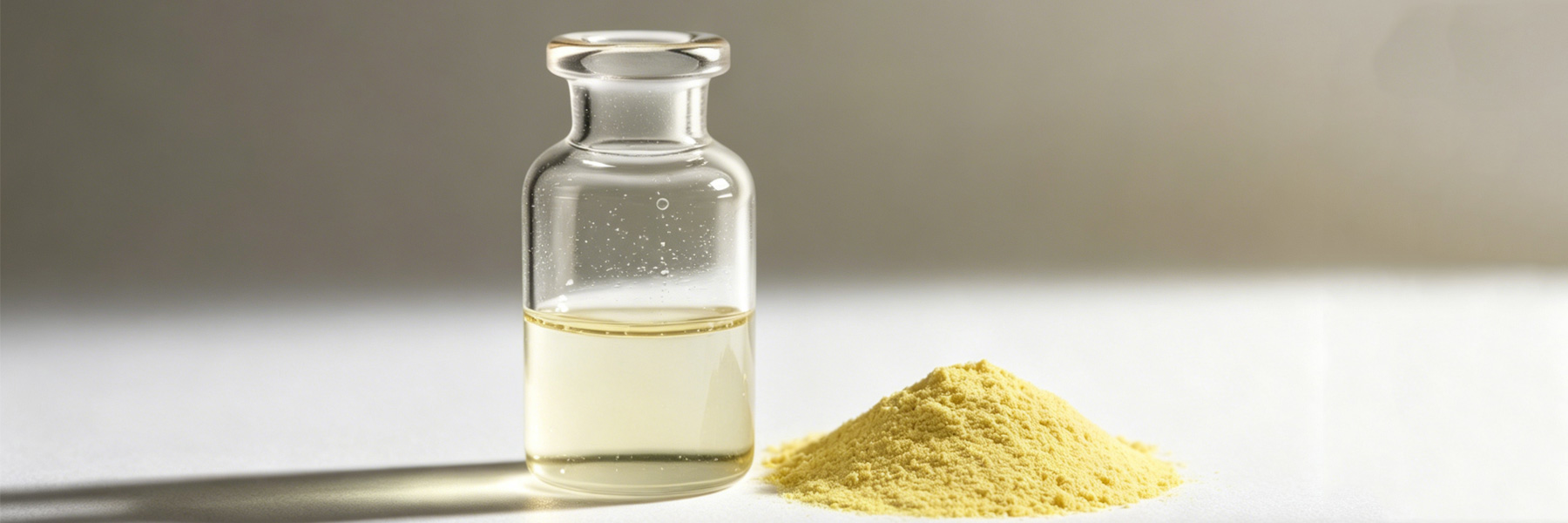
Polyaluminum Chloride (PAC) is one of the most widely used coagulants in modern water treatment. A key question frequently raised by buyers and distributors is: Should one choose liquid PAC or powdered PAC?
As a PAC supplier with years of experience in the chemical industry, we typically advise clients to stock up on powdered PAC, taking into account factors such as shipping lead times and product shelf life. However, the answer is not universal. The choice of which form of PAC to purchase depends on a variety of factors, including infrastructure, logistics, cost sensitivity, and regional market conditions.
This article provides a comprehensive comparison of liquid versus powdered Polyaluminum Chloride (PAC), with a specific focus on the South American market. This guide aims to assist distributors, importers, and industrial buyers in making informed purchasing decisions.
PAC Introduction: A Quick Overview
Polyaluminum Chloride (PAC) is an inorganic polymeric coagulant. Its mechanism of action involves neutralizing electrical charges and forming flocs, thereby removing suspended solids, organic matter, and turbidity.
PAC primarily exists in two forms:
- Liquid PAC (solution form)
- Powder PAC (solid form)
Each of these forms has its own respective advantages and disadvantages.
Liquid Polyaluminum Chloride: Characteristics, Advantages, and Limitations
Key Features
Liquid PAC is a ready-to-use solution typically containing:
Advantages of Liquid PAC
Ease of Use
Liquid PAC is pre-dissolved, which means:
- No mixing tanks required
- No dissolution time needed
- Reduced operational complexity
This makes it particularly suitable for:
- Small to medium-sized water treatment plants
- Facilities with limited technical staff
Faster Reaction Time
- Liquid PAC disperses rapidly in water
- Flocs begin to form almost immediately
This is beneficial for:
- Emergency water treatment
- High-flow systems
Reduced Labor Requirements
Operators do not need to handle solid chemicals, thereby reducing:
- Physical exertion
- Exposure to dust
- Handling risks
Limitations of Liquid PAC
Limited Controllable Al2O3 Concentration
Since the solid content of liquid PAC is pre-adjusted before delivery, it may not meet the requirements in applications that demand higher Al2O3 concentrations. Therefore, we prefer to recommend solid PAC to PAC distributors and buyers.
Higher Transportation Costs
Liquid PAC contains a significant amount of water, resulting in:
- Higher freight costs per ton of active ingredient
- Increased logistical complexity, particularly for long-distance transport
This constitutes a critical issue in South America, where transportation infrastructure varies widely.
Storage Requirements
Liquid PAC requires:
- Storage tanks
- Corrosion-resistant materials
- Temperature control in certain regions
Shorter Shelf Life
- Compared to powdered PAC, liquid PAC has a shorter storage life
- May deteriorate if stored improperly
Polyaluminum Chloride Powder: Characteristics, Advantages, and Limitations
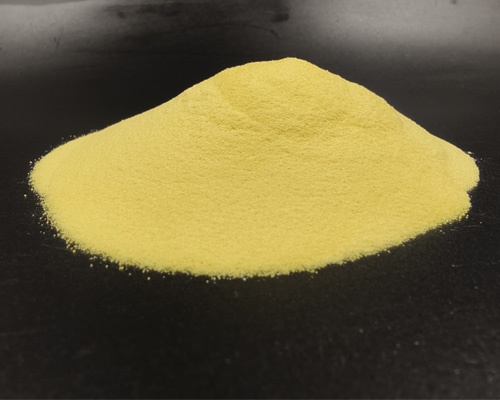
Key Features of PAC Powder
PAC Powder is a solid product characterized by the following features:
- Al2O3 Content: 28–31% (or higher)
- Extended shelf life
- Flexible dilution options
Advantages of PAC Powder
Lower Transportation Costs
Powdered PAC features a high concentration, which means:
The transportation cost per ton of active ingredient is lower.
It is more cost-effective for international trade.
For importers in South America, this represents a significant advantage—particularly when importing from Asia.
Longer Shelf Life
Powdered coating products typically offer:
A shelf life of 1–2 years under proper storage conditions.
This makes them an ideal choice for:
Distributors
Bulk buyers
Regions with unstable supply chains
Flexible Application
Powdered PAC can be dissolved to various concentrations, enabling:
Customized dosing
Adaptability to diverse water conditions
Streamlined Inventory Management
Compact storage
No risk of leaks
Reduced storage costs
Limitations of Powdered PAC
Prior to use, powdered PAC must be dissolved:
- Requires a mixing tank
- Requires a dosing system
- Increases operational steps
Operators are required to:
- Control the dilution ratio
- Ensure thorough mixing to avoid overdosing
South American Market: Key Considerations for Purchasing Polyaluminum Chloride (PAC)
In South America, buyers selecting liquid or powdered PAC must take into account specific regional realities.
Infrastructure conditions vary across South America:
Inland Regions (e.g., Bolivia, Paraguay): Higher transportation costs.
Powdere PAC is generally better suited for long-distance inland transport.
Liquid PAC may be more suitable for locations near ports or local production facilities.
Many South American countries rely on imported PAC.
Advantages of Powdered PAC:
Lower shipping costs from China.
More convenient containerized transport.
Reduced risks during long-distance transit.
South America encompasses tropical, subtropical, and temperate regions.
High temperatures can affect the stability of liquid PAC.
Powdered PAC remains more stable under a wider range of conditions.
Key industries vary from country to country:
Mining (Chile, Peru)
Agriculture (Argentina, Brazil)
Municipal Water Treatment (All regions)
Price is a critical factor in South America.
Powdered PAC offers greater cost-effectiveness per unit.
Liquid PAC may entail hidden costs (transportation, storage).
Market Trends in South America
Based on current industry trends:
Powder PAC dominates the import market
Liquid PAC is often produced locally or used in specific applications
Demand for high-purity PAC is increasing
Environmental regulations are becoming stricter
How to Choose the Right PAC for Your Business
When selecting between liquid and powder PAC, consider:
You lack dissolution equipment
You operate a small or medium facility
You prioritize operational simplicity
You want to reduce logistics costs
You need long-term storage
You operate large-scale industrial systems
You require flexible dosing
Strategic Advice for Distributors
Stock powder PAC as the primary product
Offer liquid PAC as a value-added option
Provide technical support for dissolution systems
Educate customers on cost-saving benefits
Final Thoughts
As water treatment demand continues to grow across South America, choosing the right form of PAC is essential for operational efficiency and cost control.
Whether you are a distributor, importer, or industrial buyer, understanding the differences between liquid and powder PAC can help you:
Optimize procurement strategies
Reduce total cost of ownership
Improve treatment performance
Looking for a Reliable PAC Supplier?
If you are sourcing high-quality PAC for South America, partnering with an experienced manufacturer is critical.
We provide:
Stable supply of PAC
Customized specifications for different applications
Technical support and dosing guidance
Flexible packaging and logistics solutions
Post time: Apr-17-2026


