

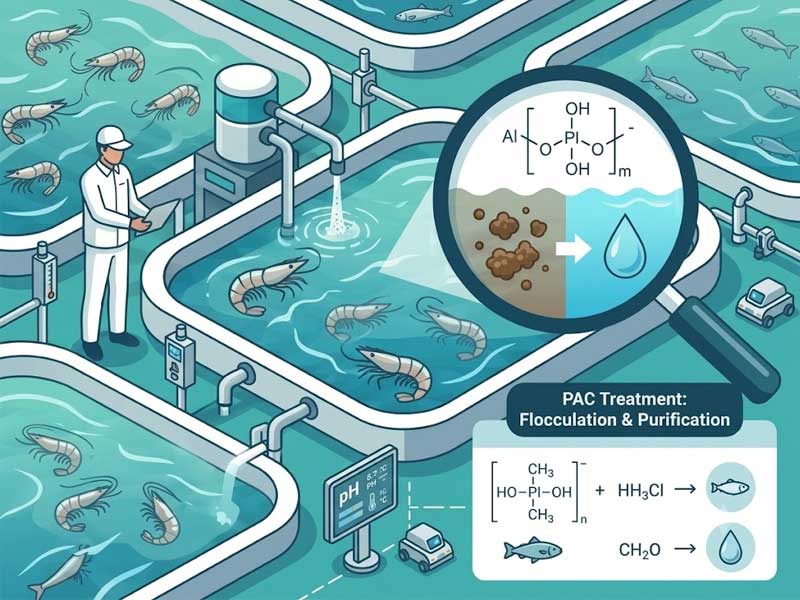
Polyaluminum Chloride is widely used in aquaculture ponds and for treating effluent from aquaculture facilities.
What is PAC?
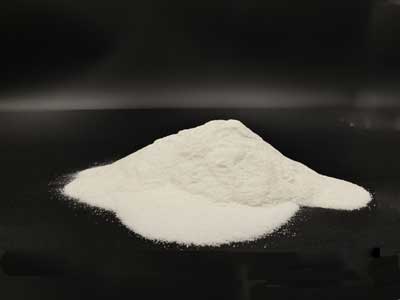
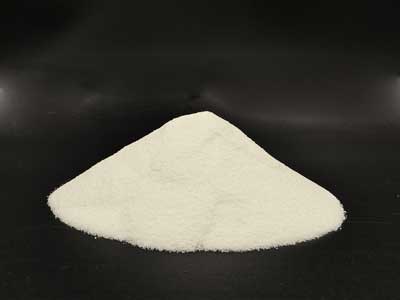
PAC, also known as polyaluminum chloride, polymeric aluminum chloride, or BAC, is an inorganic polymer that is highly soluble in water and possesses excellent water purification and decolorization properties. It is widely used in the paper, textile, leather, metallurgical, ceramic, mining, domestic sewage treatment, and drinking water industries. Our company offers five product forms.
Which one is more recommended?
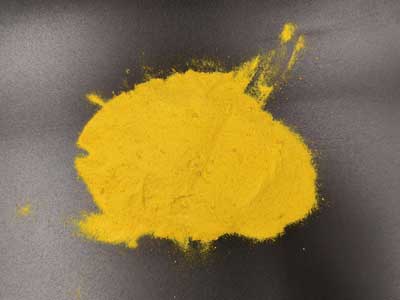
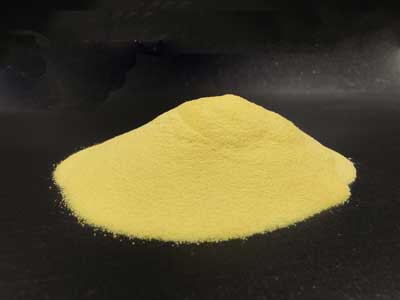
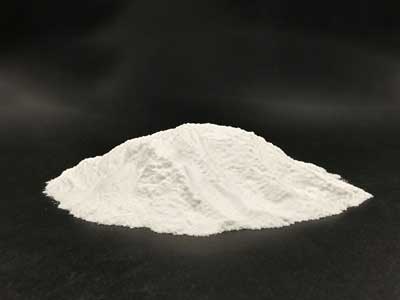
The five forms refer to PAC-I, PAC-D, PAC-H, PAC-M, and PAC-G. They differ in color, application, cost, and iron content. The higher the iron content, the darker the color is. So, which one is more suitable for aquaculture water and effluent treatment?
Why Does Aquaculture Need Coagulants?
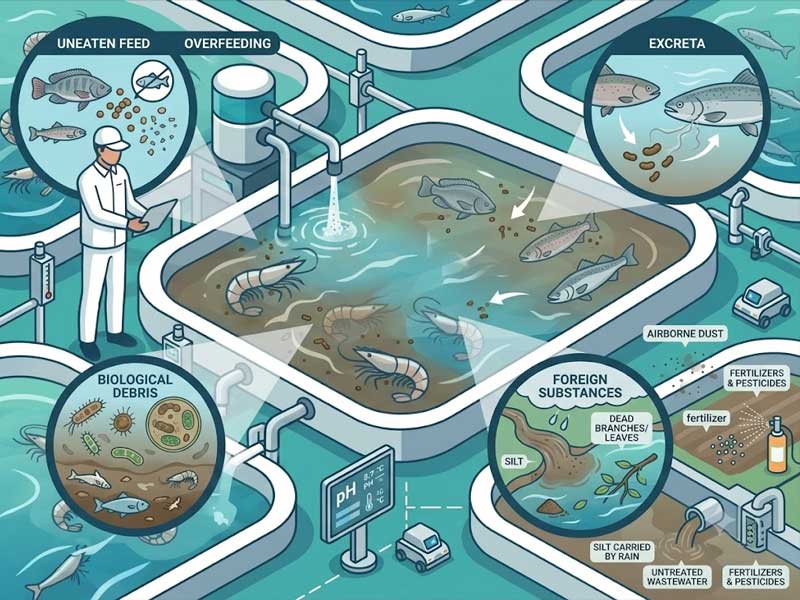
Many pollutants and suspended solids are generated during the aquaculture process.
- Uneaten feed: Fragments resulting from overfeeding or broken feed.
- Excreta: Fecal particles and mucus produced by biological metabolism.
- Biological debris: Dead plankton and algae, as well as the remains of algae that have aged and died.
- Foreign substances: Silt carried by rainwater, dead branches and leaves, and airborne dust; untreated domestic wastewater and aquaculture effluent; fertilizers and pesticides used in surrounding farmland that flow into the aquaculture ponds.
If these substances are not removed for an extended period, they will cause the following damage to the water body:
- Reduced light penetration, decreased photosynthesis in aquatic plants, and impeded self-purification of the water.
- The decomposition of organic suspended matter consumes oxygen, reducing the dissolved oxygen content in the water. Subcritical hypoxia can cause physiological and metabolic disorders, growth inhibition, and reduced disease resistance in fish and shrimp; severe hypoxia can lead to abnormal behavior (surfacing), impaired reproduction, and population decline; extreme hypoxia can result in acute mortality and the near-extinction of aquatic organisms.
- It affects the vital functions of aquatic animals.
- It easily leads to water eutrophication, promoting the proliferation of algae and bacteria.
- It indirectly increases the burden on other equipment in the aquaculture system.
The direct manifestation is that the water becomes turbid, or even black and foul-smelling; therefore, using coagulants to remove suspended solids and organic impurities from the water is crucial.
How does our coagulant work?
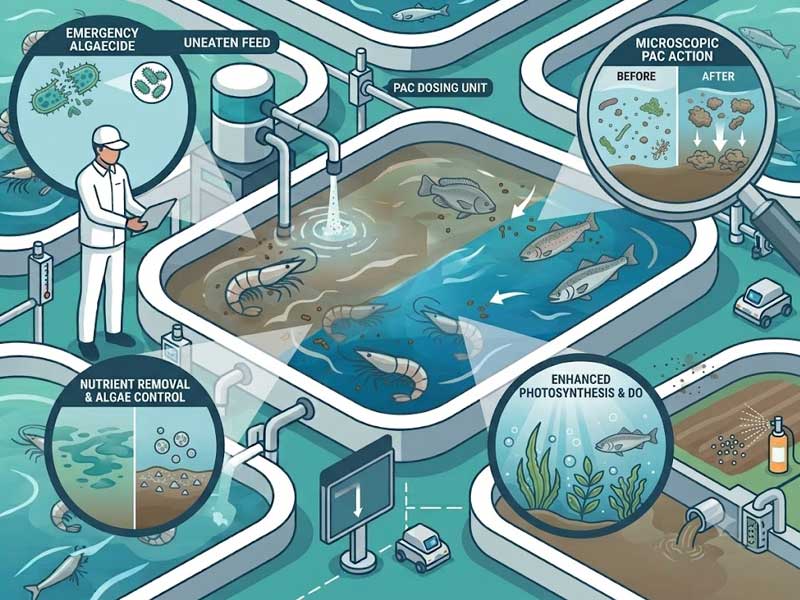
- Flocculation and sedimentation: It aggregates suspended impurities into larger particles, causing them to settle to the bottom of the pond, thereby clarifying the water and improving water quality.
- Increasing dissolved oxygen: Once the water is clarified, light penetration increases, which will enhance the oxygen-producing capacity of aquatic plants; Precipitation by polymeric aluminum chloride reduces the oxygen consumed during the decomposition of organic matter and microorganisms in the water, thereby increasing dissolved oxygen levels in the pond.
- Reducing Water Eutrophication: The coagulant binds with phosphates in the water to form insoluble aluminum phosphate precipitates, which to some extent reduces the degree of water eutrophication and the proliferation of algae and bacteria.
- pH adjustment: In ponds with high pH levels, its use can lower the pH to some extent.
- Emergency algaecide: PAC disrupts the charge balance of algal cell walls, causing algae flocculation and sedimentation,effectively inhibiting blue-green algae and green algae.
How should it be used?
- To eliminate green algae and blue-green algae: The spray concentration is 3 grams per cubic meter.
- Improving water clarity: If pond water is turbid and has low clarity, coagulants such as polyaluminum chloride can be applied throughout the pond to achieve a concentration of 0.2–0.3 grams per cubic meter, thereby improving water clarity to approximately 30 centimeters.
- After extreme weather: Following a typhoon, apply 3 grams per cubic meter to the pond.
The above dosage recommendations are for reference only; the specific dosage should be determined after assessing the pond’s volume and the extent of contamination.
Precautions
- Frequency of Use: Use small amounts infrequently in main aquaculture ponds. Excessive use may lead to increased aluminum residues in the water, gill irritation, the risk of oxygen depletion, and fluctuations in water pH. For effluent treatment, it may be used as a coagulant as normal.
- Application Timing: Use is not recommended during peak farming periods, especially during hot weather, low-oxygen conditions, or at night.
- Cannot replace a Disinfectant: This product cannot be used as a substitute for disinfectants. However, it can be used in conjunction with disinfectants such as calcium hypochlorite or SDIC.
- Cannot Replace Aeration: This product can only help increase dissolved oxygen levels in the water. It cannot replace aeration provided by aerators. In fact, aerators may still be required even when using poly aluminum chloride.
Why use polyaluminum chloride?
- Requires a smaller dosage compared to aluminum sulfate
- Lower cost compared to aluminum sulfate, aluminum chlorohydrate, and ferric chloride
- Forms flocs quickly and tightly, with a high settling rate
- Wide pH tolerance range
- Effective in both low-temperature, low-turbidity, and high-turbidity conditions
- Low corrosion potential
- Minimal impact on the pH and total alkalinity of the treated water
- Minimizes the need for secondary electrolyte addition
Since polyaluminum chloride can reduce the burden on water treatment systems, improve filtration efficiency, and minimize the volume of effluent discharged, an increasing number of aquaculture farmers are recognizing its benefits. If you have any needs in this regard, please contact us as soon as possible! We can provide you with high-quality products at competitive prices.
Post time: Aug-10-2026
