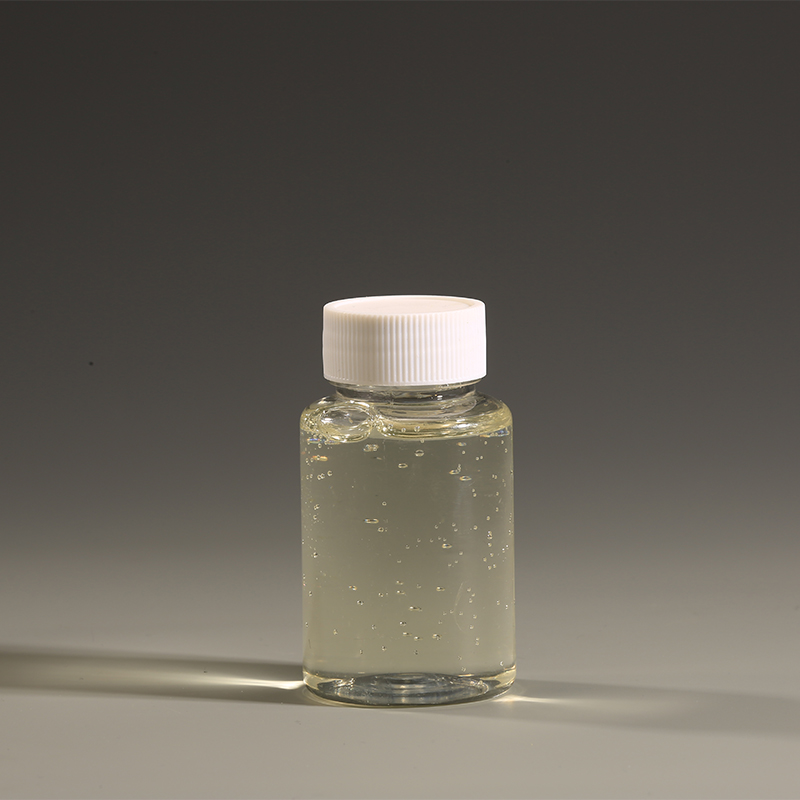
PolyDADMAC Key Specifications Testing
Active content, also referred to as solid content, represents the percentage of effective PolyDADMAC polymer in the coagulant solution. In the global water treatment market, PDADMAC coagulants are commonly supplied with active contents ranging from 10% to 40%, with 20%, 30%, and 40% being the most commercially popular grades.
From a performance and cost perspective, active content is one of the first specifications a buyer should confirm with a coagulant supplier.
Why PolyDADMAC Solid Content Important?
A higher active content means more effective coagulant is delivered per unit volume. This directly impacts:
Dosage efficiency: Higher solids require lower dosing volumes for the same treatment effect
Transportation costs: Less water content reduces freight cost per ton of effective coagulant
Storage efficiency: Higher concentration products reduce storage tank requirements
Operational consistency: Stable active content ensures predictable coagulation performance
For large municipal or industrial water treatment plants, using higher solid PolyDADMAC coagulants often leads to better long-term operating economics.
Buyers Check PolyDADMAC Solid Content: Key Points
When evaluating PolyDADMAC, buyers should confirm:
- The nominal active content percentage (e.g., 20%, 30%, 40%)
- Acceptable tolerance range for batch-to-batch variation
- Whether the active content is verified by third-party testing
- Compatibility with existing dosing and dilution systems
A professional coagulant supplier should be able to provide clear technical data sheets and consistent active content across production batches.
Molecular weight is one of the most critical performance indicators of PDADMAC. It directly affects floc size, settling speed, and sludge dewatering efficiency.
PDADMAC is usually categorized as:
Low molecular weight – suitable for charge neutralization
Medium molecular weight – balanced coagulation and flocculation
High molecular weight – strong bridging ability and floc formation
The importance of PolyDADMAC Molecular Weight
Low molecular weight products act quickly but form smaller flocs
High molecular weight products improve floc strength and sedimentation
Incorrect molecular weight can lead to poor clarification or overdosing
What to check:
Supplier-defined molecular weight range
Application-specific recommendations
Performance data from similar industries or water qualities
Charge density indicates the amount of positive charge available for neutralizing negatively charged particles in water. PDADMAC typically has high and stable cationic charge density compared to other polymers.
Why it matters:
Determines coagulation efficiency
Affects dosage requirements
Impacts compatibility with inorganic coagulants like PAC or alum
What to check:
Charge density consistency
Suitability for high-turbidity or high-color wastewater
Synergy with existing treatment chemicals
High charge density PDADMAC is particularly effective in color removal and turbidity control.
Viscosity reflects both molecular structure and concentration. It also affects handling, pumping, and dosing accuracy.
Why it matters:
High viscosity products may require stronger dosing pumps
Low viscosity improves handling but may indicate lower molecular weight
Sudden viscosity changes may signal quality instability
What to check:
Viscosity range at standard temperature (usually 25°C)
Batch-to-batch stability
Compatibility with your dosing equipment
Viscosity should always be evaluated together with molecular weight and solid content.
Charge density indicates the amount of positive charge available for neutralizing negatively charged particles in water. PDADMAC typically has high and stable cationic charge density compared to other polymers.
Why it matters:
Determines coagulation efficiency
Affects dosage requirements
Impacts compatibility with inorganic coagulants like PAC or alum
What to check:
Charge density consistency
Suitability for high-turbidity or high-color wastewater
Synergy with existing treatment chemicals
High charge density PDADMAC is particularly effective in color removal and turbidity control.
PDADMAC is known for its wide effective pH range, typically performing well between pH 4 and pH 10.
Why it matters:
Ensures stable performance under varying raw water conditions
Reduces the need for pH adjustment
Improves process reliability
What to check:
Recommended operating pH range
Stability in acidic or alkaline conditions
Performance data under real operating pH values
Residual monomer content is an important safety and regulatory indicator. High-quality PDADMAC should have very low residual monomer levels.
Why it matters:
Impacts environmental and human safety
Affects compliance with drinking water or industrial standards
Reflects production process control
What to check:
Supplier test reports
Compliance with relevant standards
Application-specific limits (especially for potable water treatment)
In many systems, PDADMAC is used together with inorganic coagulants or flocculants such as PAC, alum, or polyacrylamide.
Why it matters:
Ensures stable floc formation
Prevents chemical interference or performance loss
Optimizes overall treatment cost
What to check:
Compatibility test data
Recommended dosing sequence
Field application references
PDADMAC is typically supplied as a liquid product and requires proper packaging to maintain quality during transportation and storage.
Why it matters:
Prevents contamination and degradation
Ensures safe handling
Supports long-term inventory management
What to check:
Available packaging (IBC, drums, bulk)
Shelf life under normal storage conditions
Temperature limitations during storage and transport
PolyDADMAC Supplier Technical Support and Quality Control
Beyond product specifications, the supplier’s technical capability plays a key role in long-term performance.
Why it matters:
Supports correct product selection
Enables on-site or laboratory testing
Ensures consistent quality over time
What to check:
Quality management systems
Batch traceability
Availability of technical support and application guidance

Choosing a Reliable PolyDADMAC Supplier
When sourcing PolyDADMAC coagulants, evaluating the supplier is just as important as reviewing the technical specifications. A reliable coagulant supplier should offer consistent product quality, transparent specifications, and application-focused technical support.
Key points to consider when selecting a PolyDADMAC coagulant supplier include:
Manufacturing capability
A reputable PolyDADMAC supplier should have in-house polymerization facilities, strict process control, and sufficient production capacity to support stable long-term supply.
Quality control system
Look for suppliers with standardized quality management systems, batch traceability, and routine testing of viscosity, molecular weight indicators, charge density, and active content.
Regulatory and compliance support
For drinking water or regulated industrial applications, the coagulant supplier should provide documentation related to safety, residual monomer control, and environmental compliance.
Technical service and customization
Experienced suppliers can recommend suitable PolyDADMAC grades, assist with jar testing, and help optimize dosing strategies for different water qualities.

Selecting the right PolyDADMAC requires more than comparing prices. Buyers must carefully evaluate key specifications such as active content, molecular weight, charge density, viscosity, pH stability, residual monomer content, and application performance.
Equally important is choosing a reliable coagulant supplier with strong manufacturing capabilities, consistent quality control, and application-oriented technical support. By understanding these key specifications and supplier factors, water treatment professionals can ensure stable coagulation performance, regulatory compliance, and optimized treatment costs across municipal and industrial water treatment systems.
With proper specification evaluation and the support of a qualified PolyDADMAC supplier, PDADMAC can deliver reliable, efficient, and cost-effective results in a wide range of water treatment applications.
Post time: Feb-09-2026