Choosing the right Flocculant is a critical step in achieving efficient, stable, and cost-effective water treatment performance. Among the many options available, polyacrylamide (PAM) remains one of the most widely used polymers in municipal wastewater treatment, industrial effluent clarification, mining, papermaking, and sludge dewatering. However, buyers often face an important question: Should you choose liquid PAM or solid PAM?
This article provides a comprehensive comparison of liquid and solid polyacrylamide, examining their composition, handling, performance, cost structure, and real-world application scenarios.
Whether you are a plant operator, procurement manager, or environmental engineer, understanding these differences will help you select the most suitable flocculant and work effectively with a reliable PAM supplier.
Understanding Polyacrylamide as a Flocculant
What Is Solid PAM?
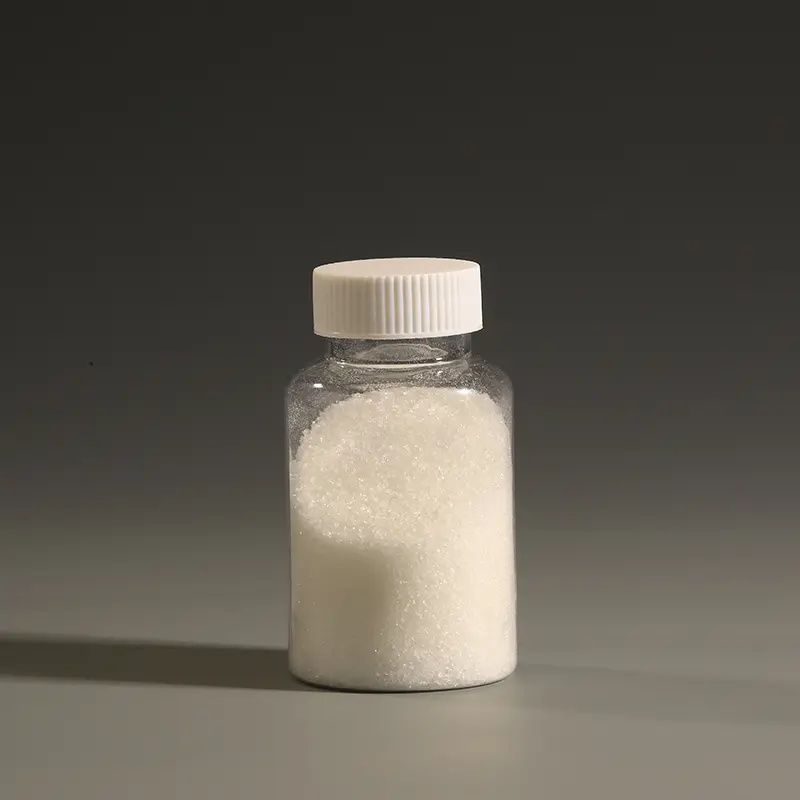
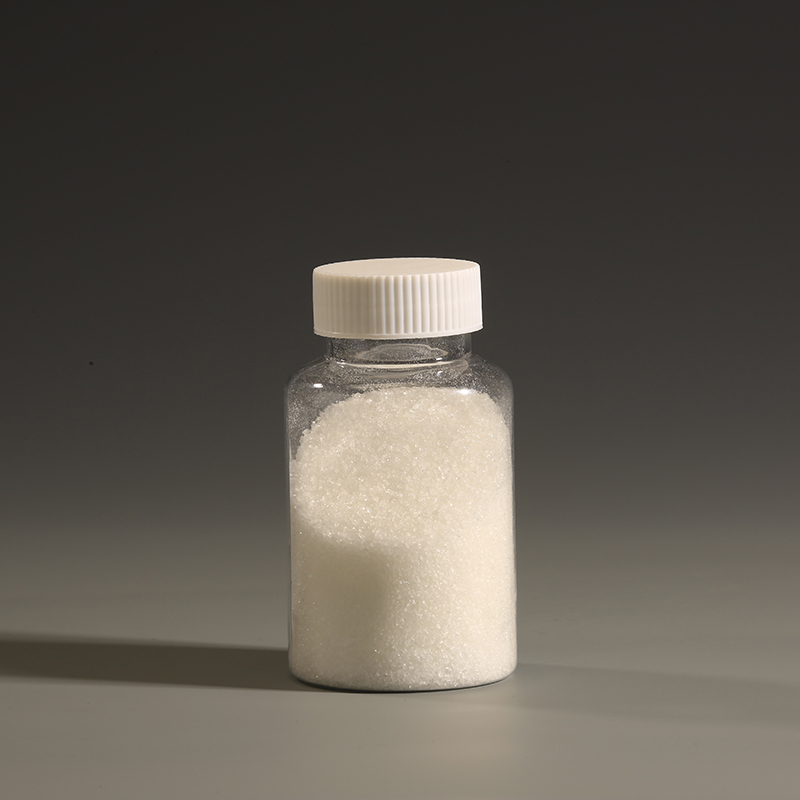
Solid Polyacrylamide is typically produced as a dry powder or granular material with very high active polymer content, often above 88%. Before use, the powder must be dissolved in water to prepare a dilute working solution.
Key Characteristics of Solid PAM
Because of these properties, solid PAM remains the most commonly traded form in global bulk procurement, especially for large-scale municipal and industrial projects.
What Is Liquid PAM?
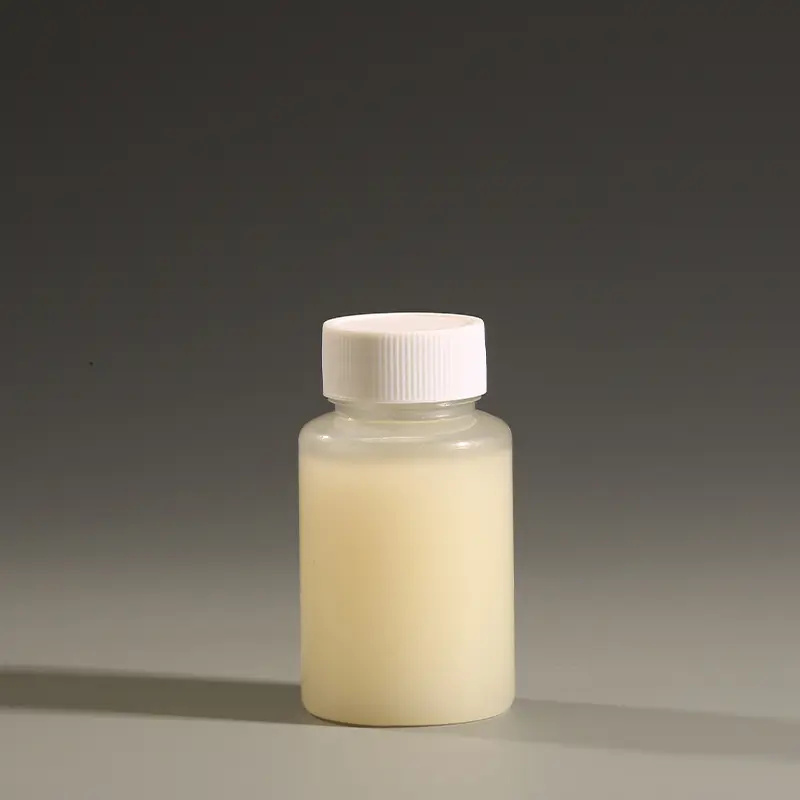
Liquid Polyacrylamide is generally supplied as a water based solution or oil in water emulsion containing pre-dissolved polymer. The active content is typically lower than solid PAM but ready for immediate dilution and dosing.
Key Characteristics of Liquid PAM
- No dissolution time required, enabling rapid startup.
- Simplified dosing equipment and reduced labor requirements.
- Lower dust generation, improving workplace safety.
- More consistent solution quality compared with manual powder preparation.
Performance Comparison: Liquid vs Solid Polyacrylamide
Performance Comparison: Liquid vs Solid Polyacrylamide
Performance Comparison: Liquid vs Solid Polyacrylamide
Selecting the correct product form is only part of the decision. A professional PAM Supplier should provide:
- Comprehensive product range (anionic, cationic, nonionic; liquid and solid)
- Jar testing and technical support for dosage optimization
- Stable quality control and consistent molecular-weight distribution
- Global logistics capability and regulatory compliance
- Customized packaging and labeling for different markets
Environmental and Sustainability Considerations
Modern water treatment increasingly emphasizes sustainability. High‑efficiency polyacrylamide flocculants contribute by:
- Reducing sludge volume
- Lowering energy consumption in dewatering
- Improving water reuse potential
- Minimizing chemical overdosing
Choosing the appropriate PAM form can further optimize carbon footprint through reduced transport weight or lower operational energy use.
Final Conclusion: Liquid or Solid PAM?
There is no universal answer to whether liquid or solid polyacrylamide is better. The optimal choice depends on operational priorities:
- ✓ Choose solid PAM for large‑scale treatment, long storage life, and lowest transport cost.
- ✓ Choose liquid PAM for rapid deployment, simplified operation, and safer handling.
Ultimately, the best strategy is to collaborate with a knowledgeable PAM supplier who can recommend the correct flocculant grade and form based on real water conditions, equipment configuration, and total lifecycle cost.
By aligning chemistry, engineering, and logistics, your project can achieve maximum treatment efficiency, regulatory compliance, and long‑term economic value with the right polyacrylamide solution.
Post time: Feb-25-2026