

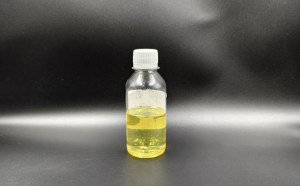
Poly(diallyldimethylammonium chloride)—commonly known as PDADMAC or PolyDADMAC—is a highly effective cationic polymer widely used in municipal and industrial water treatment. As a strong-charge-density coagulant, it plays a critical role in turbidity removal, sludge dewatering, color removal, and solid-liquid separation.
However, despite its broad application range, many water treatment facilities make avoidable mistakes when selecting, dosing, and applying PDADMAC. These errors can lead to reduced flocculation performance, increased sludge volume, chemical waste, compliance risks, and unnecessary operating costs.
In this article, we will explore:
- The most common PDADMAC application mistakes
- The technical reasons behind performance issues
- Practical optimization strategies
- Expert tips for municipal and industrial systems
This guide is written to support plant managers, water treatment engineers, and chemical procurement professionals who want to maximize the efficiency of their flocculant programs.
Why Is PDADMAC Important?
PDADMAC is a cationic homopolymer produced from diallyldimethylammonium chloride monomers. It works primarily through:
- Charge neutralization
- Particle destabilization
- Bridging flocculation
Its key characteristics include:
- High cationic charge density
- Good solubility in water
- Stability across a wide pH range
- Compatibility with inorganic coagulants like PAC and alum
It is commonly used in:
- Municipal drinking water treatment
- Industrial wastewater treatment
- Paper mill wastewater clarification
- Textile wastewater decolorization
- Sludge thickening and dewatering
Despite its advantages, improper application can significantly reduce its performance.
Common Mistake #1: Incorrect Dosage (Overdosing or Underdosing)
Why It Happens
Many operators rely on fixed dosage rates instead of conducting regular jar tests. Water quality fluctuates daily due to:
- Changes in influent turbidity
- Seasonal variations
- Industrial discharge fluctuations
- Rainfall events
Consequences of Underdosing
- Poor floc formation
- High turbidity in treated water
- Increased load on downstream filtration
Consequences of Overdosing
- Restabilization of particles
- Increased sludge volume
- Higher chemical costs
- Residual polymer issues
Best Practice
- Conduct routine jar testing
- Adjust dosage based on turbidity and zeta potential
- Monitor sludge volume index (SVI)
Optimizing dosage can reduce chemical costs by 10–25% in many systems.
Common Mistake #2: Ignoring Molecular Weight Selection
Not all PDADMAC products are identical. Different molecular weights affect performance.
Low Molecular Weight
- Faster charge neutralization
- Suitable for low turbidity water
High Molecular Weight
- Better bridging capability
- Suitable for high suspended solids wastewater
Using the wrong molecular weight often results in:
- Weak flocs
- Poor settling
- Excessive sludge
- Best Practice
Work with a reliable PDADMAC supplier to match:
- Water characteristics
- Turbidity levels
- Organic content
- Treatment objectives
Laboratory screening is essential before full-scale application.
Common Mistake #3: Poor Mixing Conditions
PDADMAC performance is highly dependent on proper mixing.
Insufficient Mixing
- Uneven polymer distribution
- Incomplete charge neutralization
- Localized overdosing
Excessive Mixing
- Shearing of formed flocs
- Reduced floc size
- Poor settling performance
Optimal Mixing Strategy
- Rapid mixing for initial dispersion (seconds)
- Gentle flocculation mixing (minutes)
- Avoid high-shear pumps after floc formation
Mechanical design and hydraulic retention time must support floc growth.
Common Mistake #4: Incompatible Combination with Other Chemicals
PDADMAC is often used together with:
- Polyaluminum chloride (PAC)
- Alum
- Polyacrylamide (PAM)
Incorrect dosing sequence can reduce efficiency.
Example of Incorrect Order
Adding PDADMAC after flocculation has already occurred may break flocs instead of strengthening them.
Recommended Dosing Sequence
- Inorganic coagulant (PAC or alum)
- PDADMAC for charge neutralization
- PAM (if needed) for bridging
Correct sequencing improves turbidity removal and sludge compaction.
Common Mistake #5: Not Adjusting for pH and Temperature
Although PDADMAC works across a wide pH range, performance varies.
Low pH Conditions
- Enhanced charge neutralization
- Faster floc formation
High pH Conditions
- Reduced coagulation efficiency
- Increased chemical demand
Temperature also affects:
- Reaction kinetics
- Settling speed
- Viscosity
Best Practice
- Monitor pH regularly
- Adjust coagulant dosage in winter
- Increase retention time in cold seasons
Seasonal optimization is critical for stable operation.
Common Mistake #6: Poor Storage and Handling
PDADMAC is a liquid polymer. Improper storage can degrade product quality.
Common Storage Errors
- Exposure to direct sunlight
- Freezing temperatures
- Contamination from dirty tanks
These issues may cause:
- Reduced activity
- Increased viscosity
- Reduced shelf life
Storage Recommendations
- Store at 5–30°C
- Use corrosion-resistant tanks
- Avoid long-term exposure to extreme temperatures
- Maintain clean dosing systems
Quality degradation leads to inconsistent treatment performance.
Common Mistake #7: Ignoring Sludge Management Impact
PDADMAC significantly affects sludge characteristics.
Incorrect dosing may result in:
- Excess sludge production
- Poor dewatering efficiency
- Increased disposal costs
Optimized dosing can:
- Reduce sludge volume
- Improve cake dryness
- Lower transportation costs
Sludge management should be considered when selecting flocculants.
Common Mistake #8: Lack of Regular Performance Monitoring
Many plants fail to implement data-driven chemical management.
Important Monitoring Indicators
- Turbidity (NTU)
- COD removal
- Zeta potential
- Sludge volume index
- Polymer consumption per m³
Without tracking these parameters, optimization becomes guesswork.
Common Mistake #9: Choosing Based Only on Price
Low-cost products may have:
- Lower charge density
- Inconsistent molecular weight
- Quality variability
A slightly higher-quality PDADMAC may reduce overall cost due to:
- Lower dosage requirement
- Improved sludge compaction
- Reduced system downtime
Total treatment cost matters more than unit price.
Common Mistake #10: Skipping Pilot Testing Before Full-Scale Application
Each wastewater source is unique.
Industrial wastewater varies widely between:
- Textile factories
- Paper mills
- Food processing plants
- Mining operations
- Pilot testing ensures:
- Correct product selection
- Proper dosage range
- Compatibility verification
Skipping this step increases operational risk.
How to Optimize PDADMAC Performance in Water Treatment
Step 1:
Conduct Comprehensive Water Analysis
Analyze:
- Turbidity
- COD/BOD
- Suspended solids
- pH
- Temperature
- Conductivity
Step 2:
Perform Laboratory Jar Testing
Simulate:
- Different dosage levels
- Different molecular weights
- Various dosing sequences
Step 3:
Implement Controlled Field Trials
Start with conservative dosing and monitor:
- Settling time
- Sludge characteristics
- Filter load
Step 4:
Establish Standard Operating Procedures
Document:
- Dosing rates
- Mixing intensity
- Seasonal adjustments
Consistency ensures stable treatment performance.
PDADMAC in Municipal vs Industrial Applications
Municipal Drinking Water Treatment
Focus areas:
- Low turbidity
- Regulatory compliance
- Minimal residuals
Mistakes often involve overdosing and poor mixing.

Industrial Wastewater Treatment
Focus areas:
- High COD
- High suspended solids
- Variable composition
Mistakes often involve incorrect product selection and lack of pilot testing.
Overdosing can cause particle restabilization (cloudy effluent), increase sludge volume, and raise chemical costs.
Yes, but performance may decrease, and dosage adjustments are often necessary.
Yes. PDADMAC is commonly used together with PAC for enhanced coagulation.
Yes. Molecular weight affects bridging capability and floc strength.
PDADMAC is a powerful and versatile flocculant in water treatment. However, its performance depends heavily on correct selection, dosage optimization, proper mixing, and system monitoring.
The most common mistakes—incorrect dosing, poor mixing, incompatible chemical combinations, inadequate testing, and improper storage—can significantly reduce treatment efficiency and increase operating costs.
By implementing laboratory testing, pilot trials, and data-driven chemical management, water treatment plants can:
- Improve turbidity removal
- Reduce sludge volume
- Lower overall treatment cost
- Enhance system stability
For water treatment professionals, optimizing PDADMAC application is not just about choosing a polymer—it’s about designing a complete, efficient coagulation strategy.
If you are looking for technical guidance or high-quality PDADMAC solutions for municipal or industrial water treatment, working with an experienced supplier that provides laboratory support and customized recommendations is essential for long-term operational success.
Post time: Mar-03-2026


