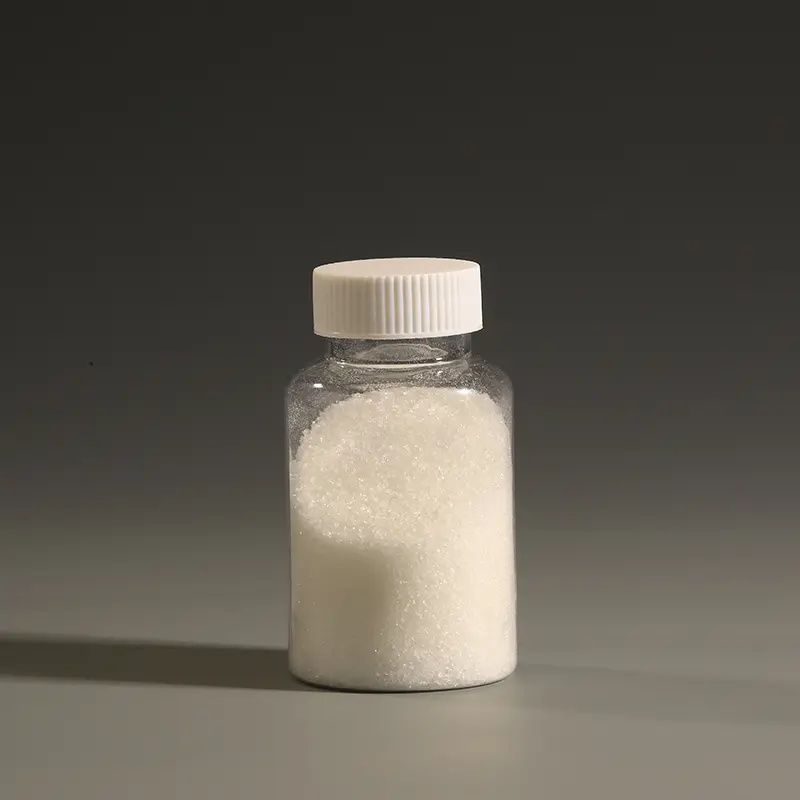
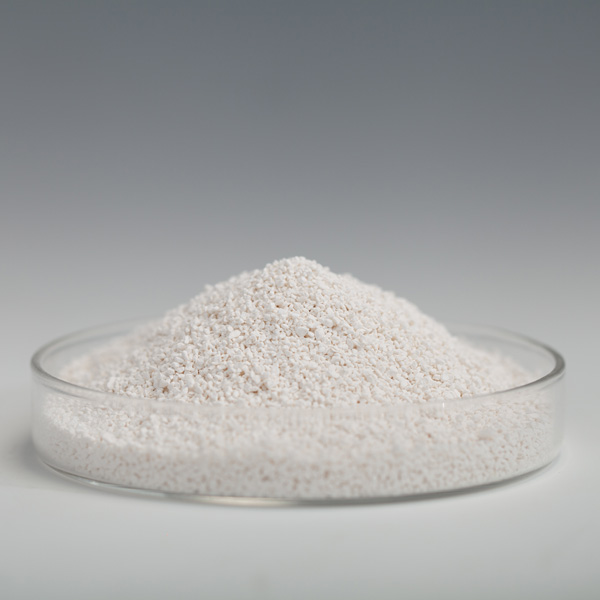
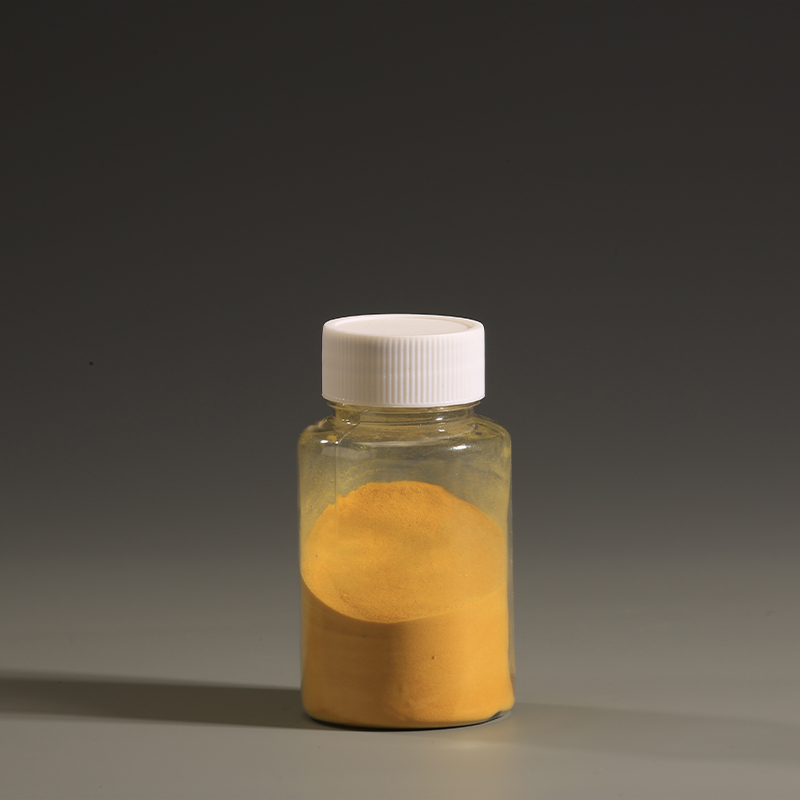
Polyacrylamide is a water-soluble flocculant and is often used in water treatment and industrial production. With the rapid development of modern agriculture, improving soil quality, protecting water resources and reducing environmental impact have become key goals for farmers, agricultural engineers, and policymakers around the world. Polyacrylamide is playing an increasingly important role in achieving these goals, especially in large-scale and water-sensitive agricultural systems. It is an important functional material in agricultural soil and water management.
This article provides a comprehensive overview of the application of polyacrylamide (PAM) in agriculture and soil management, including its mechanism of action, application scenarios, benefits, selection guidelines, and the role of professional water treatment chemical suppliers in ensuring safe and effective use.
Polyacrylamide was initially developed and commercialized as a flocculant for municipal and industrial water treatment. Later, it was applied in the agricultural sector for soil retention, improving irrigation efficiency and controlling sediment.
In agricultural applications, anionic polyacrylamide is the most commonly used form because it has low toxicity, high stability, and excellent soil binding performance.
Why Is Polyacrylamide Important for Modern Agriculture?
Agriculture faces numerous long-term challenges:
Soil erosion caused by irrigation and rainfall
Poor soil structure and compaction
Inefficient water resource utilization
Nutrient loss due to runoff
Sedimentation in irrigation canals and reservoirs
Polyacrylamide addresses these problems through physical and chemical mechanisms, improving soil-water interactions without altering soil chemistry.
Polyacrylamide is a functional polymer widely available from specialized water treatment chemical suppliers, providing a cost-effective and scalable solution for modern agriculture.
What Agricultural Challenges Can Polyacrylamide Help Solve?
Soil Structure Improvement
- Promotes soil particle aggregation, forming a stable soil aggregate structure.
- Reduces soil compaction, improving soil aeration and permeability.
- Improves the physical properties of sandy and degraded soils.
Unlike chemical fertilizers or soil nutrients, PAM is a physical soil conditioner that improves soil structure rather than altering chemical fertility.
Suitable Scenarios: Dryland farmland, slopes, desertified or degraded arable land
Preventing Soil Erosion and Water Loss
- Significantly reduces topsoil loss due to rainfall or irrigation
- Reduces sediment inflow into rivers and irrigation systems
- Commonly used in slope agriculture, canal slopes, and newly reclaimed farmland
Effects: Reduces runoff turbidity and improves surface stability
Improve irrigation efficiency and water retention capacity
- Enhance the soil's capacity to adsorb and retain water
- Reduce water loss and surface runoff during the irrigation process
- Improve the water use efficiency of drip irrigation, sprinkler irrigation, and furrow irrigation systems
Therefore, crops can obtain water more effectively, while the overall irrigation water consumption is reduced.
Applicable scenarios: water-scarce areas, water-saving agriculture
Reduce Nutrient Loss and Improve Fertilizer Utilization
- Improve nitrogen, phosphorus, and other nutrients, reducing their loss through water.
- Reduce the risk of fertilizer leaching and groundwater pollution.
- Improve crop nutrient absorption efficiency.
This helps improve fertilizer utilization and supports environmentally responsible farming practices.
Improved Crop Establishment
- Provides a more stable topsoil environment
- Facilitates seed germination and seedling rooting
- Reduces topsoil crusting
Irrigation Water Management
In irrigation systems, polyacrylamide (PAM) is typically added directly to irrigation water at very low concentrations.
Typical applications include:
- Furrow irrigation
- Sprinkler irrigation systems
- Drip irrigation pretreatment
- Stabilization of irrigation channels and ditches
As a high-performance flocculant, PAM captures suspended solids in irrigation water, reducing sediment buildup and thus protecting irrigation equipment.
Compatibility with Agricultural Inputs
- Can be used in conjunction with irrigation systems, fertilizers, and some amendments.
- Improves overall agricultural management efficiency.
- Pay attention to dosage and dissolution method to avoid overuse.
Why Is Anionic Polyacrylamide Preferred in Agricultural Applications?
While agriculture is not traditionally considered part of the water treatment industry, agricultural wastewater often contains a large amount of suspended solids. Polyacrylamide can be used in sedimentation tanks, agricultural drainage channels, and farm wastewater treatment systems. Its strong flocculation properties accelerate solid-liquid separation, improve water transparency, and reduce downstream sediment pollution.
As an effective flocculant, polyacrylamide works by:
Neutralizing particle surface charge
Bridging fine suspended particles
Accelerating sedimentation and clarification
In agriculture, this is particularly suitable for:
Treating irrigation backflow
Agricultural wastewater management
Preventing clogging in drip and sprinkler irrigation systems
Many specialized water treatment chemical suppliers offer PAM-grade products specifically designed for agricultural and environmental applications.
Mechanism of Action of Polyacrylamide (PAM) in Soil Improvement
- Molecular Bridging: Polymer chains connect fine soil particles, promoting aggregate formation.
- Category Adsorption: Reduces clay dispersion through cation bridges, stabilizing soil structure.
- Enhancing Aggregate Stability: Improves soil resistance to rain erosion and irrigation washout.
- Improving Pore Structure: Enhances aeration, permeability, and water retention.
- Reducing Runoff and Erosion: Promotes water infiltration, reducing soil erosion.
- Reducing Nutrient Loss: Reduces the migration of nitrogen, phosphorus, etc., with water, improving fertilizer utilization.
- Core Function: Improves soil structure through physical-chemical processes, rather than directly providing nutrients.
How to Choose the Right Polyacrylamide for Agriculture
Key Selection Factors
Ionic Type
Anionic polyacrylamide is the preferred material for soil and irrigation applications.
Molecular Weight
Higher molecular weight results in stronger soil particle binding and higher flocculation efficiency.
Charge Density
Determines the strength of interaction with soil particles and suspended solids.
Solubility and Handling Performance
Fast-dissolving and low-dust products improve ease of use.
Experienced water treatment chemical suppliers can provide technical advice based on soil type, water quality, and irrigation methods.
Polyacrylamide (PAM) is a mature and versatile agricultural and soil management solution. It serves as both a soil conditioner and a highly effective flocculant, playing a unique dual role in agriculture and water treatment. Partnering with reliable water treatment chemical suppliers ensures safe application, stable performance, and long-term value.
From controlling soil erosion and improving soil structure to purifying irrigation water and managing sediment, polyacrylamide delivers both agronomic and environmental benefits. Facing increasing pressure on land and water resources, polyacrylamide will remain an important tool for building sustainable and efficient agricultural systems globally.
Post time: Dec-23-2025