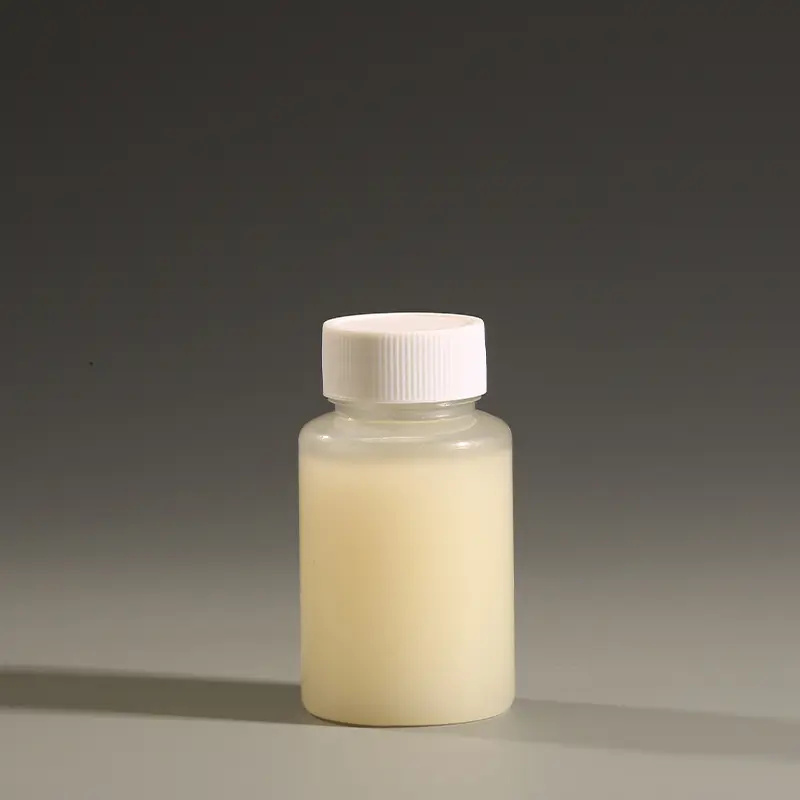
water treatment chemicals

Anionic Polyacrylamide (APAM) – Flocculant for Water Treatment


  • Type: Anionic PAM
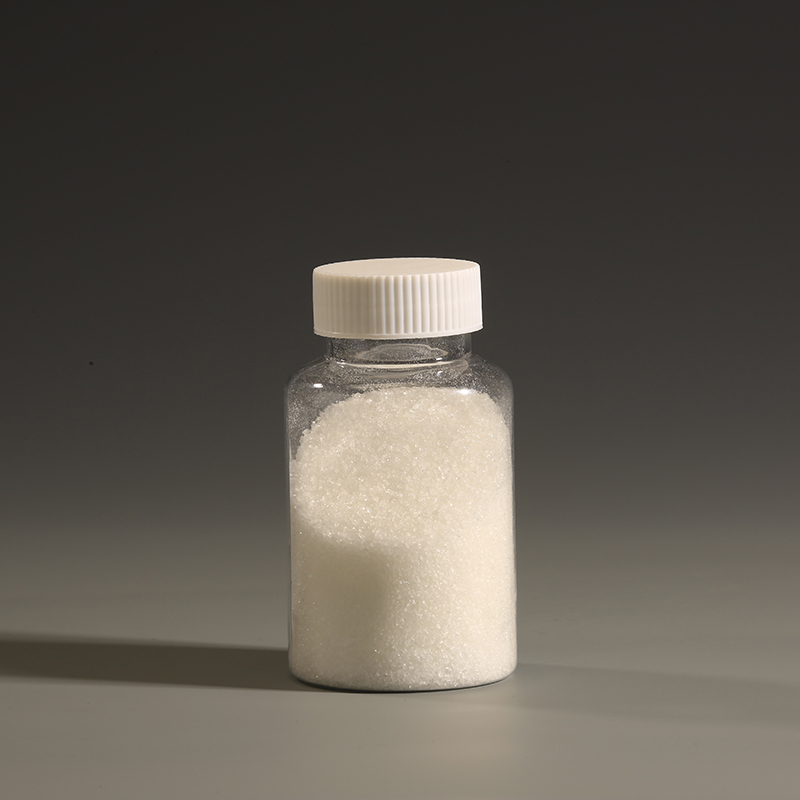
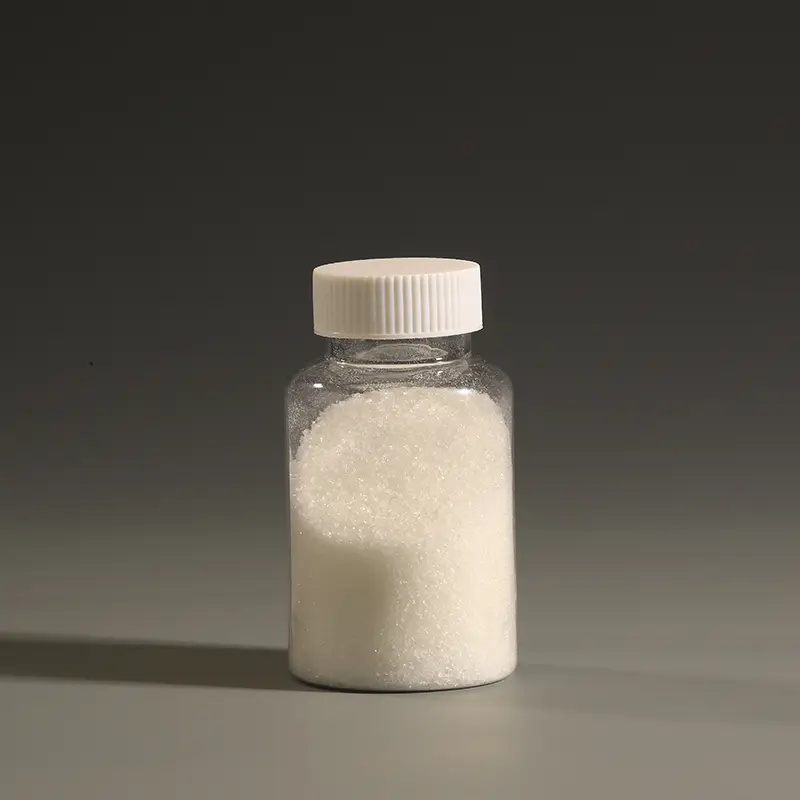
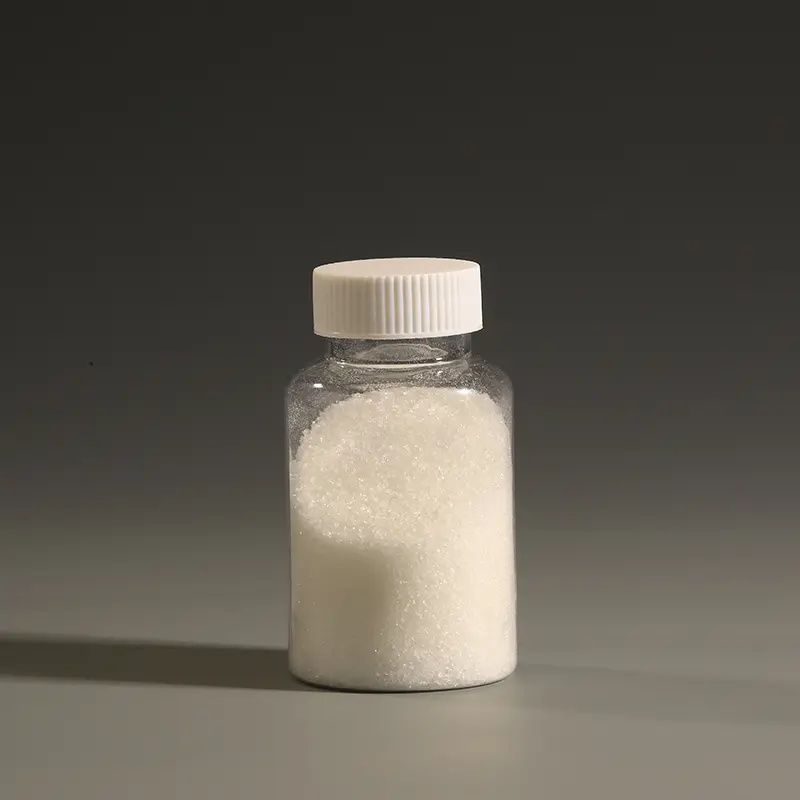
  • Appearance: White Powder
  • Solid Content, %: 88 MIN
  • pH Value: 5-8
  • APAM

    FAQs about Water Treatment Chemicals

    Product Tags

    Anionic Polyacrylamide Powder Introduction

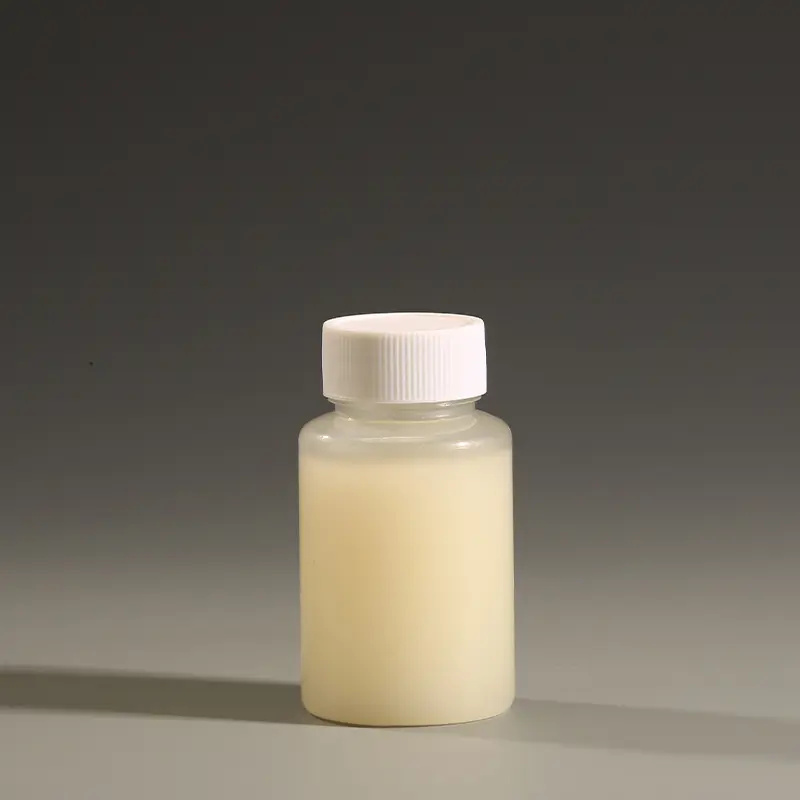
    Anionic Polyacrylamide is an anionic flocculant featuring a linear chain structure, formed through the free-radical polymerization of acrylamide monomers. Typically appearing as white granules, it is a water-soluble polymeric solid powder. It possesses a wide range of functionalities, including flocculation, thickening, drag reduction, adhesion, colloidal stabilization, film formation, and scale inhibition.

    The methods for preparing Anionic Polyacrylamide (APAM) are diverse, primarily encompassing solution polymerization, inverse emulsion polymerization, suspension polymerization, and solid-phase polymerization. An ideal product should exhibit a controllable molecular weight, excellent water solubility, and an extremely low residual monomer content.

    APAM is suitable for applications involving high concentrations of positively charged inorganic suspended solids, as well as for neutral or alkaline environments containing relatively coarse suspended particles (ranging from 0.01 to 1 mm).
    Anionic Polyacrylamide (PAM) Powder

    Type Anionic PAM(APAM)
    Appearance White powder
    Solid content, % 88 MIN
    pH Value 5-8
    Molecular Weight, x106 5-26
    Degree of Ion, % Low,
    Medium,
    High
    Dissolving Time, min 60 - 120


    APAM Key Features & Benefits

    • Excellent Flocculation Performance: Rapid formation of large, dense flocs for faster solid-liquid separation
    • Wide pH Applicability: Effective across a broad pH range (typically 4–14)
    • High Molecular Weight Options: Available in various molecular weights to suit different applications
    • Low Dosage, High Efficiency: Reduces chemical consumption and operational costs
    • Improved Sludge Dewatering: Enhances cake dryness and reduces sludge volume
    • Stable Quality Supply: Consistent production ensures reliable performance for long-term use

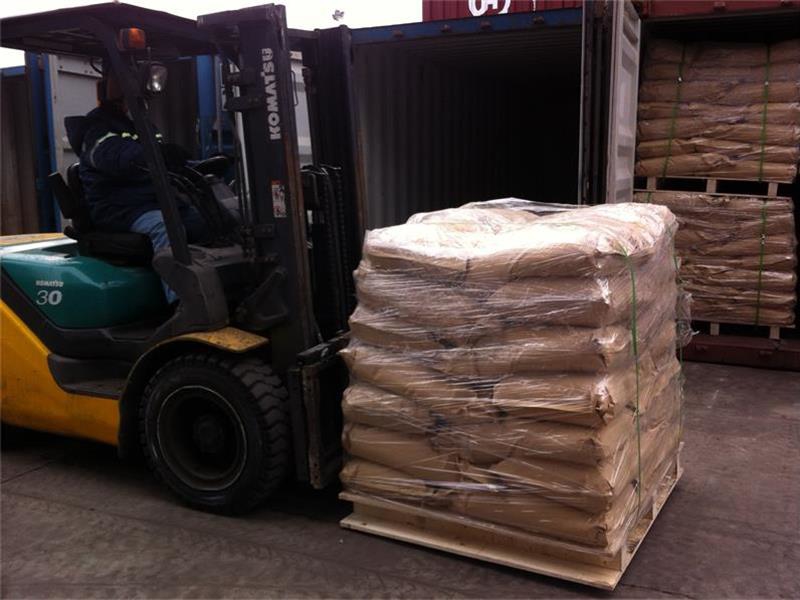
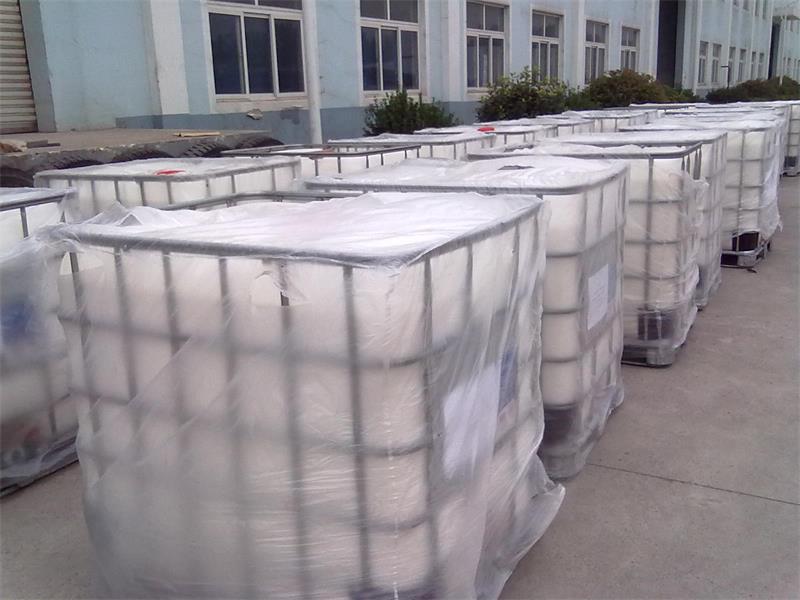
    APAM Package

    25 kg kraft paper bags with inner PE liner

    1000 kg jumbo bags

    Flocculant - Polyacrylamide (PAM)4
    Flocculant - Polyacrylamide (PAM)6

    APAM Storage

    Store in a cool, dry, and well-ventilated place

    Keep away from moisture and direct sunlight

    Anionic Polyacrylamide Applications

    1. Industrial Wastewater Treatment

    APAM is widely used in industries such as:

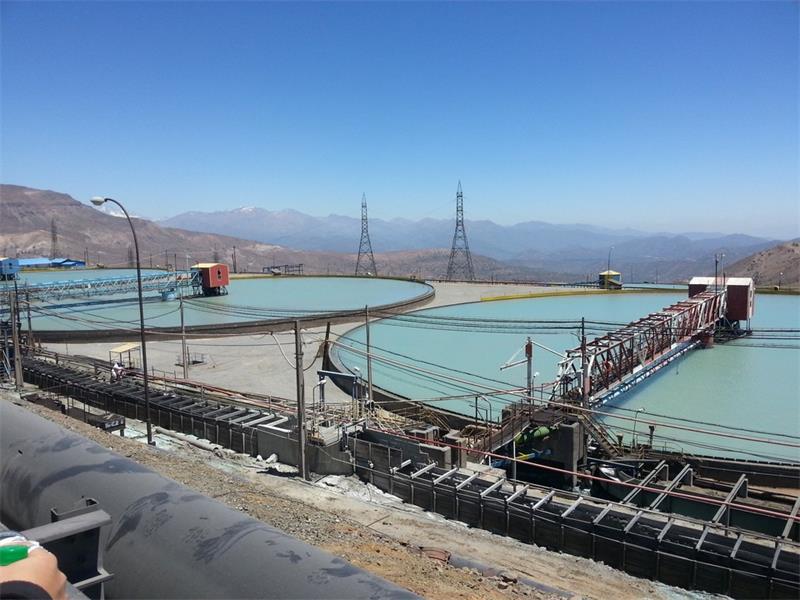
    • Mining and mineral processing
    • Textile and dyeing plants
    • Paper and pulp mills
    • Steel and metallurgy
    • Chemical manufacturing
    It improves sedimentation, reduces turbidity, and enhances clarification efficiency.

    2. Municipal Sewage Treatment

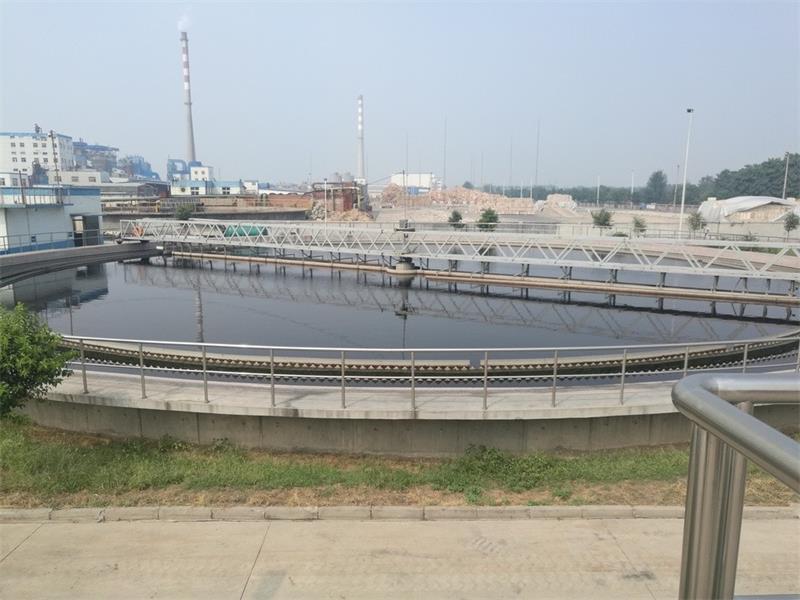
    • Primary and secondary clarification
    • Sludge thickening and dewatering
    • Improves overall treatment efficiency

    3. Sludge Dewatering

    • Belt filter press
    • Centrifuge
    • Screw press
    APAM significantly increases sludge solid content and reduces disposal costs.

    4. Mining Industry

    • Tailings treatment
    • Thickening and clarification
    • Enhances recovery efficiency

    5. Oil & Gas Industry

    • Drilling fluid additives
    • Enhanced oil recovery (EOR)
    • Water treatment in oilfields

    6. Slaughterhouse Wastewater Treatment

    Slaughterhouse wastewater originates from the slaughtering workshop and primarily consists of effluent from:

    • Pre-slaughter livestock rinsing
    • Scalding and carcass washing
    • Offal cleaning
    • Flushing of workshop floors, equipment, and holding pens
    Given the relatively high organic content of the water, Cationic Polyacrylamide (CPAM) is typically employed.
    Flocculant - Polyacrylamide (PAM)1
    Flocculant - Polyacrylamide (PAM)2
    Polyacrylamide5

    How to Use Anionic Polyacrylamide

    Preparation of Solution

    Dissolve APAM in clean water to make a 0.1%–0.3% solution

    Stir gently (avoid high-speed mixing to prevent polymer degradation)

    Dosage

    Typical dosage: 1–10 ppm (depending on water quality)

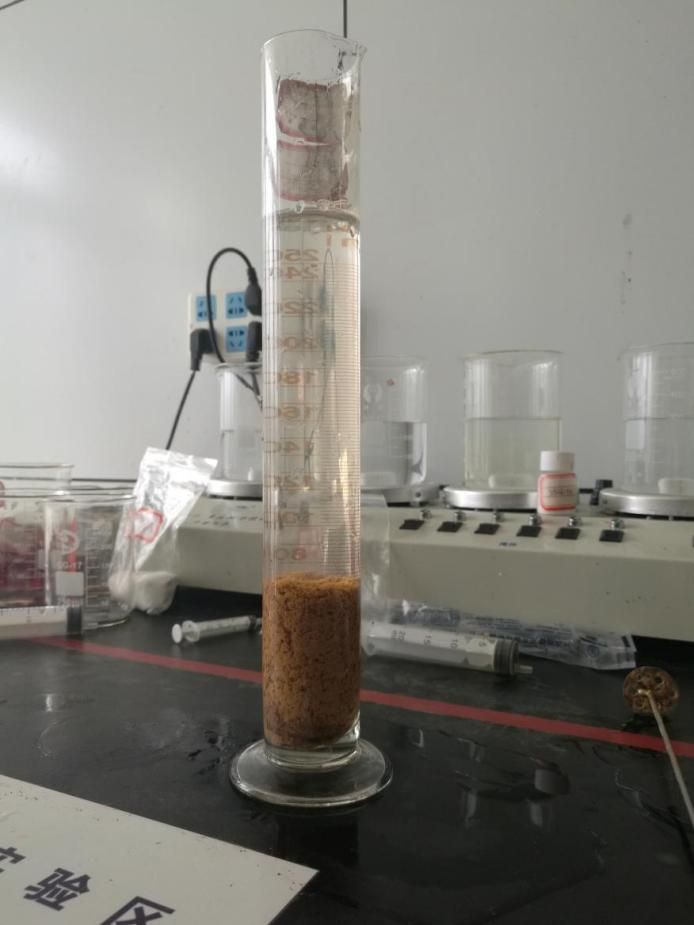
    Optimal dosage should be determined through jar testing

    Application

    Add the solution evenly into the wastewater system

    Ensure proper mixing for best flocculation results

    How to choose the right APAM model?

    Selection depends on:

    • Water source and composition
    • pH value
    • Suspended solids concentration
    • Treatment process

    Jar testing is highly recommended.

    Why Choose Us as Your Polyacrylamide Supplier

    10 + years of export experience

    Stable Supply

    Customizable specifications for different industries

    Strict quality control and international certifications

    Technical support and application guidance

    Efficient global logistics and delivery

    Looking for a reliable Anionic Polyacrylamide supplier?

    We provide customized solutions, competitive pricing, and stable supply for global customers.

    Customized Solutions
    Tailored formulations to meet your specific application needs.
    Competitive Pricing
    Best value without compromising on product quality.
    Stable Supply
    Reliable delivery and consistent stock for global customers.
    Contact us for samples, technical support, and quotations
    Our team is ready to assist you with product selection, technical guidance, and fast quotation responses.

  • Previous:
  • Next:

  • How do I choose the right chemicals for my application?

    You can tell us your application scenario, such as pool type, industrial wastewater characteristics, or current treatment process.

    Or, please provide the brand or model of the product you are currently using. Our technical team will recommend the most suitable product for you.

    You can also send us samples for laboratory analysis, and we will formulate equivalent or improved products according to your needs.


    Do you provide OEM or private label services?

    Yes, we support customization in labeling, packaging, formulation, etc.


    Are your products certified?

    Yes. Our products are certified by NSF, REACH, BPR, ISO9001, ISO14001 and ISO45001. We also have national invention patents and work with partner factories for SGS testing and carbon footprint assessment.


    Can you help us develop new products?

    Yes, our technical team can help develop new formulas or optimize existing products.


    How long does it take for you to respond to inquiries?

    Reply within 12 hours on normal working days, and contact via WhatsApp/WeChat for urgent items.


    Can you provide complete export information?

    Can provide a full set of information such as invoice, packing list, bill of lading, certificate of origin, MSDS, COA, etc.


    What does after-sales service include?

    Provide after-sales technical support, complaint handling, logistics tracking, reissue or compensation for quality problems, etc.


    Do you provide product usage guidance?

    Yes, including instructions for use, dosing guide, technical training materials, etc.

    Write your message here and send it to us