A Complete Guide for Efficient Water Treatment
Water treatment systems rely heavily on coagulation and flocculation processes to remove suspended particles, organic matter, and turbidity from water. Among the most widely used chemicals in these processes are Polyaluminum Chloride (PAC) and Polyacrylamide (PAM).
When used correctly together, PAC and PAM can significantly improve water clarification efficiency, reduce chemical dosage, and enhance sludge settling performance. However, improper combination—such as incorrect dosing sequence or concentration—can reduce treatment efficiency.
This article provides a complete technical guide on how to combine PAC and PAM in coagulation, including principles, dosing methods, optimization strategies, and common mistakes to avoid.

Understanding the Roles of PAC and PAM in Coagulation
Before discussing how to combine them, it is important to understand how each chemical works in the coagulation-flocculation process.
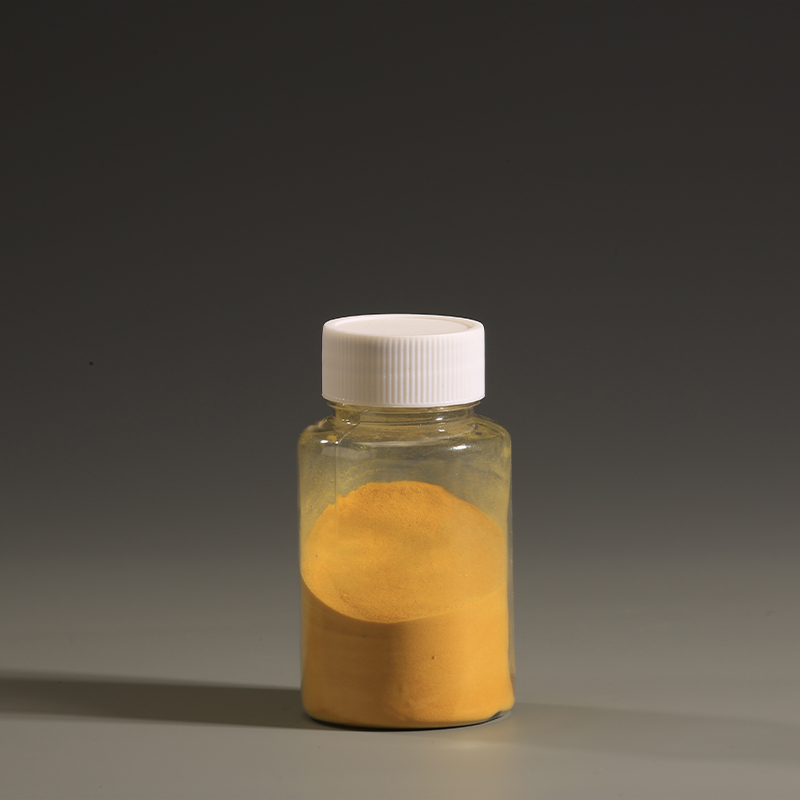
Polyaluminum Chloride is an inorganic polymer coagulant widely used in drinking water treatment, industrial wastewater treatment, and municipal sewage systems.
PAC primarily works through charge neutralization and adsorption. In most natural water systems, suspended particles carry negative charges, which keep them dispersed and prevent them from settling. PAC releases positively charged aluminum ions that neutralize these charges. Once neutralized, particles begin to aggregate into small microflocs.

Advantages of PAC
- Strong coagulation ability
- Effective turbidity removal
- Wide pH applicability
- Lower sludge volume compared to traditional aluminum salts
- Suitable for both potable water and wastewater treatment
However, PAC alone may form small flocs that settle slowly, which is where PAM becomes important.

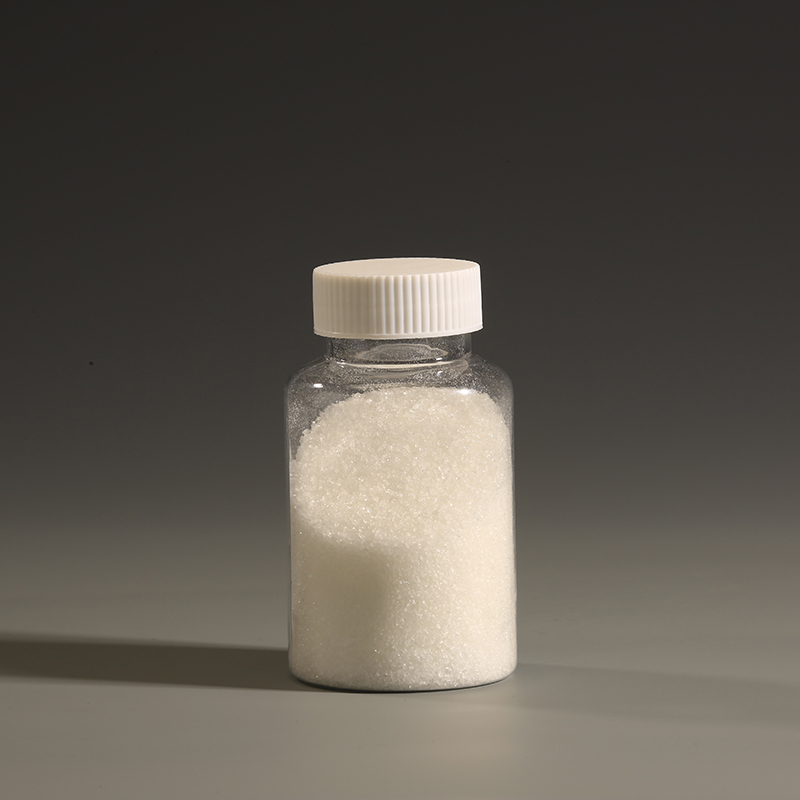
Polyacrylamide is an organic polymer flocculant used to enhance flocculation and settling. PAM works mainly through polymer bridging. Its long molecular chains connect multiple microflocs together, forming large and dense flocs that settle rapidly.
Types of PAM used in water treatment
There are three main types:
- Anionic PAM (APAM)
- Cationic PAM (CPAM)
- Nonionic PAM (NPAM)
In most PAC + PAM systems, anionic PAM is commonly used because PAC already provides positive charge neutralization.
Benefits of PAM in coagulation systems
- Enlarges floc size
- Accelerates sedimentation
- Improves sludge dewatering
- Reduces PAC dosage
- Enhances filtration efficiency
Why PAC and PAM Are Used Together
Using PAC and PAM together creates a synergistic coagulation-flocculation effect.
Step-by-step mechanism
PAC destabilizes particles, neutralizes charges, and forms micro-flocs.
PAM chains connect microflocs into larger flocs.
Large flocs sink faster in sedimentation tanks.
Advantages of using polyaluminum chloride and polyacrylamide in combination
- Higher turbidity removal
- Faster settling time
- Lower chemical consumption
- Reduced sludge volume
- Improved filter performance
Because of these benefits, PAC + PAM combinations are widely used in:
- Municipal wastewater treatment plants
- Industrial wastewater treatment
- Mining wastewater clarification
- Paper mill wastewater treatment
- Drinking water clarification

Correct Dosing Sequence of PAC and PAM
One of the most critical factors in successful coagulation is the dosing sequence. The correct order is: PAC first → PAM second
Why PAC must be added first
PAC must first neutralize the particle charge and form initial microflocs. Without this step, PAM molecules will simply dissolve in water and cannot effectively bind particles.
Typical dosing steps
- Rapid mixing tank
- PAC injection
- Fast mixing (30–60 seconds)
- PAM injection
- Slow mixing (flocculation stage)
- Sedimentation
⚠️ Common mistake: Adding PAM before PAC is a common mistake that leads to poor floc formation and wasted chemicals.
Optimal Dosage of PAC and PAM
The dosage varies depending on water quality, turbidity, and suspended solids concentration.
Typical ranges are as follows
PAC dosage
Drinking water: 5–50 mg/L
Industrial wastewater: 30–200 mg/L
PAM dosage
Usually much lower than PAC
Typical range: 0.1–3 mg/L
Key rule
PAM dosage is usually 1/50 to 1/100 of PAC dosage.
Excessive PAM can lead to:
- Sticky flocs
- Poor settling
- Filter clogging
Therefore, jar testing is necessary to determine the optimal dosage.
Preparing PAC and PAM Solutions
Proper chemical preparation is essential for stable dosing.
* PAC solution preparation
PAC is typically prepared as a 5–10% solution.
PAC dissolves relatively quickly and can usually be used within the same day.
* PAM solution preparation
PAM requires more careful preparation.
Typical concentration:
0.05–0.1% solution
Example preparation:
- Add water into mixing tank
- Slowly sprinkle PAM powder
- Stir gently for 30–60 minutes
- Allow aging for 30 minutes
Important notes:
- Avoid high-speed mixing (may break polymer chains)
- Use clean water
- Prepare fresh solution daily
Mixing Conditions for Effective Coagulatio
Mixing intensity greatly affects coagulation performance.
Rapid mixing stage
Purpose: disperse PAC quickly.
Typical parameters:
- Time: 30–60 seconds
- Velocity gradient (G): 700–1000 s⁻¹
Flocculation stage
Purpose: allow flocs to grow without breaking.
Typical parameters:
- Time: 15–30 minutes
- Velocity gradient: 20–80 s⁻¹
PAM is usually added at the beginning of the flocculation stage.
Jar Testing for Process Optimization
A jar test is the most reliable method for determining the optimal PAC and PAM combination.
Standard jar test procedure
- Prepare several water samples
- Add different PAC dosages
- Rapid mix
- Add PAM
- Slow mix
- Observe floc formation
- Measure turbidity after settling
Key observations:
- Floc size
- Settling speed
- Water clarity
The optimal dosage produces:
- Large flocs
- Fast settling
- Clear supernatant water
Common Mistakes When Combining PAC and PAM
Even experienced operators sometimes encounter problems.
Conclusion
Combining Polyaluminum Chloride and Polyacrylamide is one of the most effective strategies for improving coagulation and flocculation in water treatment systems.
PAC destabilizes suspended particles through charge neutralization, while PAM enhances floc formation through polymer bridging. When used in the correct sequence—PAC first, PAM second—these chemicals create large, dense flocs that settle quickly and produce clear water.
To achieve the best results, operators should focus on:
- Proper dosing sequence
- Accurate dosage control
- Correct solution preparation
- Optimized mixing conditions
- Jar testing for process adjustment
With the right operational practices, PAC and PAM can significantly improve water treatment efficiency, sludge settling performance, and overall system reliability.
Post time: Mar-18-2026