water treatment chemicals

Sodium chlorite

Sodium chlorite is a strong oxidizing agent that is widely used in various industries, including water treatment, pulp and paper, and textiles, due to its strong oxidizing properties, stability, and versatility.


Applications

FAQs about Water Treatment Chemicals

Product Tags

Molecular Formula NaClO2
CAS Number 7758-19-2
Molecular Weight 90.44 g/mol
Hazard Class: Class 5
Appearance White to pale yellow crystalline powder or colorless solution
Odor Odorless
Melting Point 190°C
Solubility in Water (25°C) 75.8 g/100 mL
Density 2.5 g/cm³

Advantages

Compared to traditional chlorine-based compounds, sodium chlorite offers several environmental and safety advantages. Chlorine dioxide generated from sodium chlorite is easier to handle because it avoids the production of potentially harmful chlorine gas.

Additionally, chlorine dioxide is a strong oxidizing agent capable of breaking down a wide range of pollutants, making it an eco-friendly choice for industries seeking sustainable chemical solutions.

Strong Disinfection Capability, 4–5 Times That of Bleaching Powder
Applications

● Water Treatment: Chlorine dioxide is more suitable for municipal water treatment than traditional chlorine because it does not produce harmful byproducts such as trihalomethanes (THMs). It is a safer and more efficient disinfectant, which is crucial for ensuring the safety of drinking water.

● Pulp and Paper Bleaching: In the pulp and paper industry, chlorine dioxide is used to bleach wood pulp, offering a more environmentally friendly alternative to traditional chlorine-based bleaching agents.

● Food Processing: Chlorine dioxide is also used as an antimicrobial agent in the food processing industry to disinfect equipment, surfaces, and packaging materials, thereby reducing the risk of contamination.

● Fine Chemicals Synthesis: Sodium chlorite serves as a starting material for the synthesis of various fine chemicals. Its high reactivity makes it an important precursor for the production of organic compounds, particularly those commonly used in the pharmaceutical and agricultural sectors. For example, sodium chlorite plays a crucial role in the synthesis of benzyl alcohol, an indispensable component in the production of fragrances, pharmaceuticals, and solvents.

● Textile Industry: In textile manufacturing, sodium chlorite is sometimes used as a bleaching agent. Its selective bleaching properties make it ideal for treating delicate fabrics such as silk and wool without damaging the fibers.

● Oil and Gas Industry: The oil and gas industry uses sodium chlorite for drilling fluid treatment and oil extraction operations. Its oxidizing properties help improve the efficiency of these processes, making it highly valuable in oil production.

● Electronics Manufacturing: Sodium chlorite is occasionally used in the electronics manufacturing industry, where it helps clean and purify components without causing corrosion or other damage to sensitive materials.

Packaging

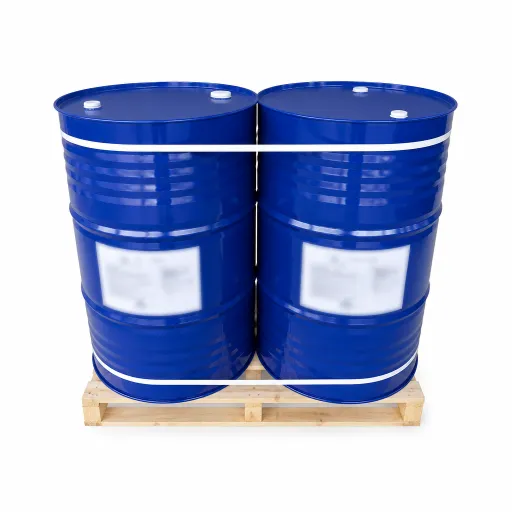
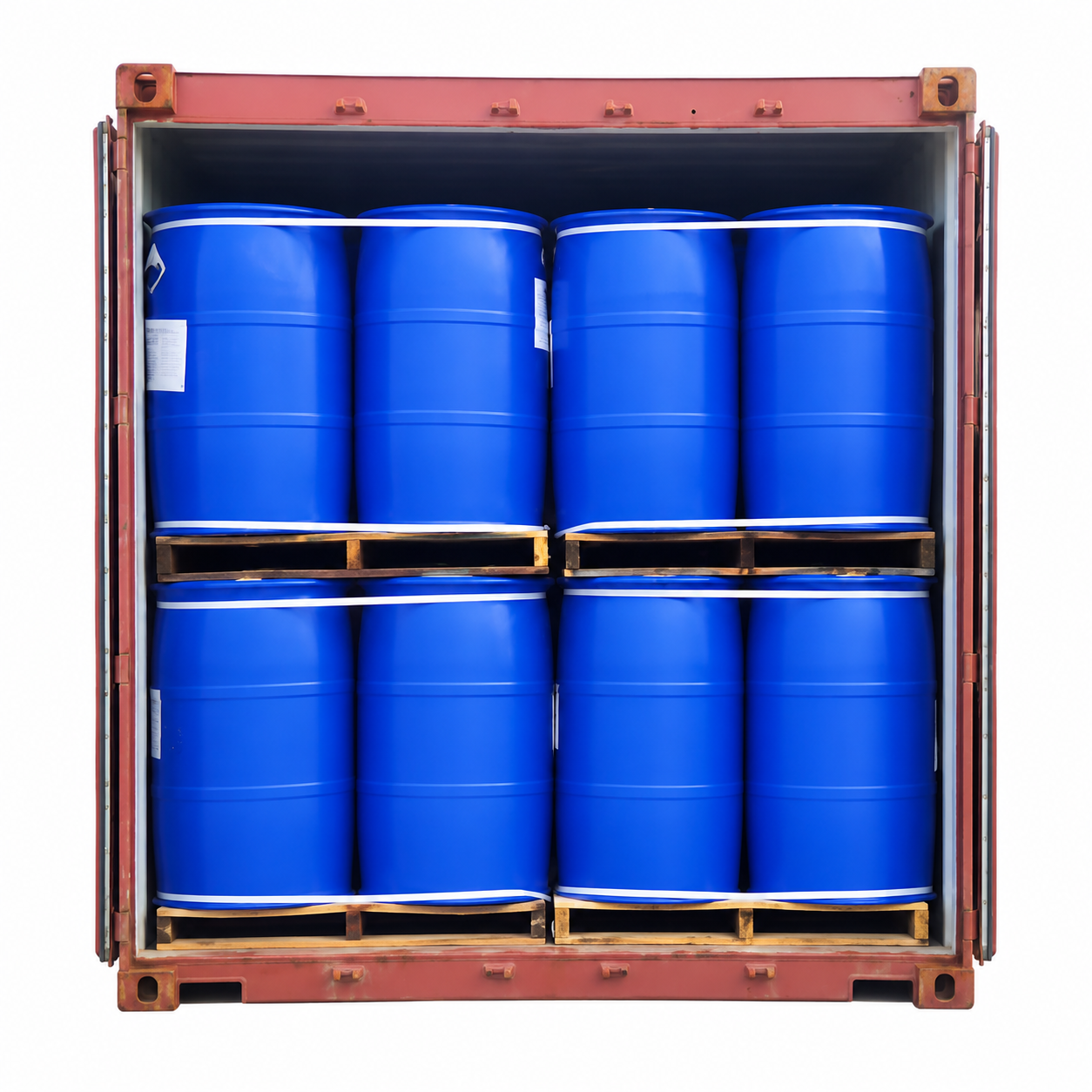
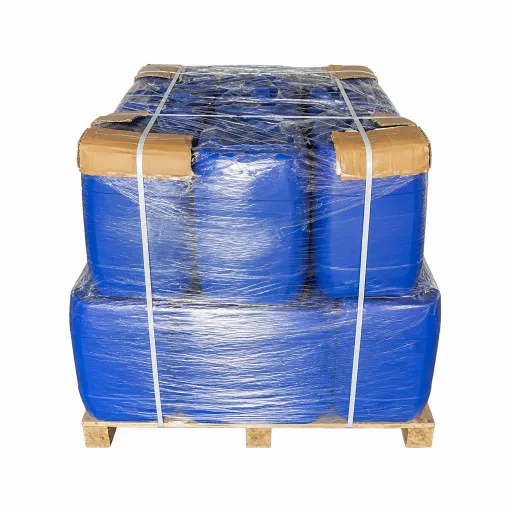
● 5-gallon drums

● 55-gallon drums

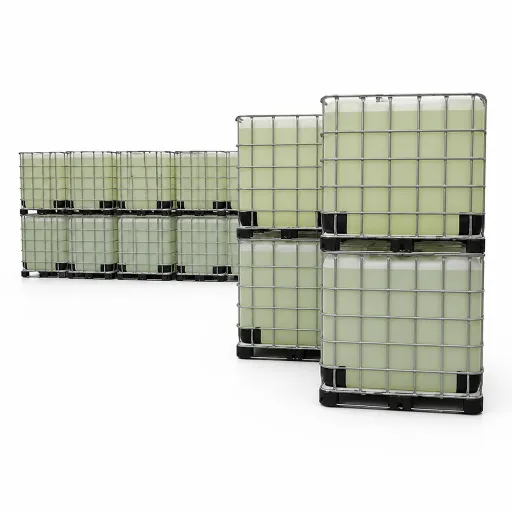
● 275-gallon IBC containers

● 330-gallon IBC containers

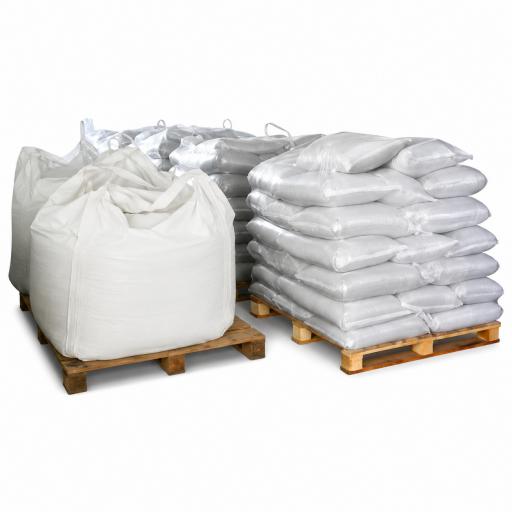
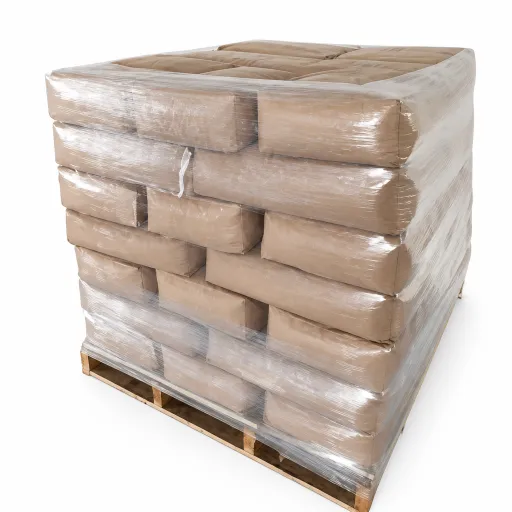
Sodium chlorite固体详情图1
Sodium chlorite 固体详情图2
Sodium chlorite液体详情图1
Sodium chlorite液体详情图2
Sodium chlorite液体详情图3
Sodium chlorite液体详情图4

Storage:

Store in a sealed container in a cool, dry place away from direct sunlight; incompatible with phosphorus, sulfur, zinc, ammonia, fine metal powders, strong reducing agents, acids, and organic materials; keep away from flammable materials; wear appropriate protective clothing, gloves, and a face shield; if contact with eyes occurs, rinse immediately with plenty of water and seek medical attention.

Furthermore, when activating sodium chlorite to produce chlorine dioxide, the reaction process must be precisely controlled. In industrial production, monitoring the conditions of the activation process ensures the safe production of chlorine dioxide, as high concentrations of chlorine dioxide can be hazardous.

Synonyms

● Chlorous acid,

● odium salt,

● textone,

● sodium chlorite

Certifications:

 EPA; NSF/ANSI; Kosher


  • Previous:
  • Next:

  • How do I choose the right chemicals for my application?

    You can tell us your application scenario, such as pool type, industrial wastewater characteristics, or current treatment process.

    Or, please provide the brand or model of the product you are currently using. Our technical team will recommend the most suitable product for you.

    You can also send us samples for laboratory analysis, and we will formulate equivalent or improved products according to your needs.


    Do you provide OEM or private label services?

    Yes, we support customization in labeling, packaging, formulation, etc.


    Are your products certified?

    Yes. Our products are certified by NSF, REACH, BPR, ISO9001, ISO14001 and ISO45001. We also have national invention patents and work with partner factories for SGS testing and carbon footprint assessment.


    Can you help us develop new products?

    Yes, our technical team can help develop new formulas or optimize existing products.


    How long does it take for you to respond to inquiries?

    Reply within 12 hours on normal working days, and contact via WhatsApp/WeChat for urgent items.


    Can you provide complete export information?

    Can provide a full set of information such as invoice, packing list, bill of lading, certificate of origin, MSDS, COA, etc.


    What does after-sales service include?

    Provide after-sales technical support, complaint handling, logistics tracking, reissue or compensation for quality problems, etc.


    Do you provide product usage guidance?

    Yes, including instructions for use, dosing guide, technical training materials, etc.

    Write your message here and send it to us

    Products categories